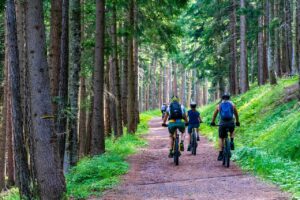
If you’re looking for a fun way to see new parts of the country, grab your bike and hit one of America’s rails-to-trails paths. Rail trails are former train routes, now paved or packed for bikers, walkers, and runners to enjoy. These paths often take you through cool scenery, small towns, and places you might not find on a regular road. The best rails-to-trails bike paths in the U.S. offer safe, mostly flat rides that everyone can enjoy, whether you’re a beginner or an experienced rider.
With help from the Rails-to-Trails Conservancy, more and more of these trails are being made every year. You can find everything from city paths to long rides across forests, deserts, and along big rivers. If you want to find a new favorite biking adventure, check out these 12 of the best rails-to-trails paths for biking across the country. Each one is numbered so you can keep track and maybe even plan your next trip.
What Makes Rails-to-Trails Paths Ideal for Biking
Rails-to-trails paths give you the chance to bike in safe, car-free settings with peaceful scenery. These trails use old railroad corridors, so they’re easy to ride and often close to towns or cities.
History of Railroads and Trail Conversion
Many rail trails used to be busy train routes that carried people and goods across the country. When train service stopped on these lines, the paths were left unused and sometimes became overgrown or forgotten.
The rails-to-trails program changed that. By turning abandoned railroads into multi-use trails, communities created new spaces for walking, running, and biking. This has helped keep history alive while also offering a practical way to get outside.
You’ll notice many trails still follow gentle grades or go through old tunnels and over bridges built for trains. This keeps the ride interesting and helps you imagine what the route was like long ago.
Safe and Scenic Riding Experiences
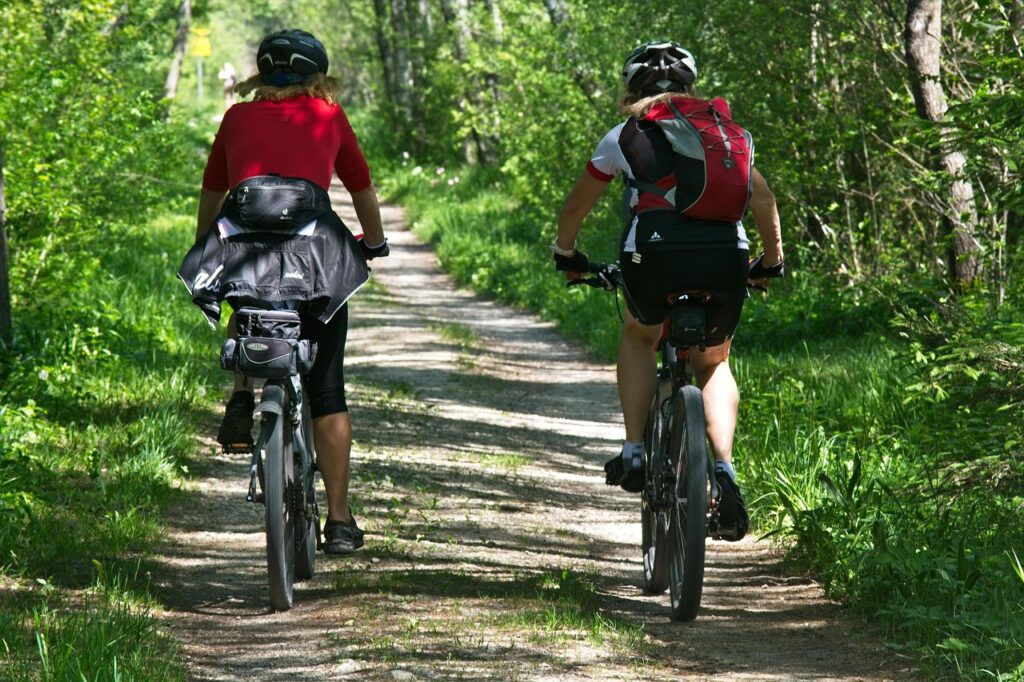
Rail-to-trail paths are almost always separated from roads, so you don’t have to worry about cars and trucks speeding by. This makes them a great choice for families, beginners, and anyone who wants a stress-free ride.
Trails often wind through forests, along rivers, and past farmland or small towns. Signs sometimes point out wildlife, local plants, or landmarks from the area’s railroad days.
Because these trails are popular for walking, running, and biking, you share the space with people moving at different speeds. Good trail design gives everyone enough room and keeps traffic smooth.
Here’s a quick look at some features that make these trails welcoming:

Trail Surface Types and Accessibility
The surface of a trail can change your whole ride. Many rail trails are paved with asphalt or smooth concrete. These are great for all kinds of bikes, including road bikes and children’s bikes.
Other trails use packed crushed stone or finely crushed gravel. These options are still smooth enough for most bikes but may feel a little softer. Dirt or heavy gravel is less common and can be slippery or rough, especially in wet weather.
Most rail-to-trail routes are built to be as flat and straight as possible because trains could not climb steep hills. That means you can usually count on easy slopes and wide turns, which makes these trails friendly for people with mobility issues or those using wheelchairs, handcycles, or strollers.
Parking, restrooms, benches, and water stations are often set up along the way. This makes planning your ride easier and keeps you comfortable, whether you’re out for a quick spin or a day-long trip.
Top 12 Rails-to-Trails Paths for Biking Adventures
These routes showcase some of the top trails for biking across the United States. Each one offers unique scenery, history, and experiences, letting you explore forests, rivers, mountains, and small towns by bike.
1. Great Allegheny Passage (Pennsylvania to Maryland)
The Great Allegheny Passage, often called the GAP, stretches 150 miles from Pittsburgh, Pennsylvania to Cumberland, Maryland. You’ll pedal on a packed crushed-limestone surface, which is smooth and great for hybrids, gravel bikes, or mountain bikes.
The trail passes by small towns, forests, and lovely river views, especially along the Youghiogheny River. History fans can check out old railroad structures and landmarks. In Cumberland, the trail connects with the C&O Canal Towpath, creating a continuous off-road ride from Pittsburgh all the way to Washington, D.C. There are plenty of places to stop for food, water, or a place to stay the night.
Key features:
- Length: 150 miles
- Surface: Crushed stone
- Scenery: Rivers, bridges, historic sites
- Connects with: C&O Canal Towpath
2. Katy Trail State Park (Missouri)
The Katy Trail is the longest recreational rail trail in the United States. It stretches for about 240 miles across Missouri, following the path of the former Missouri-Kansas-Texas Railroad.
You’ll ride through dense forests, wide-open farmland, and along the Missouri River. Clinton and St. Charles mark the main endpoints. The surface is mostly crushed limestone, which is smooth and hard-packed for comfortable riding.
Many towns along the Katy Trail have bike-friendly cafes, shops, and lodging. You’ll find scenic spots for picnics, birdwatching, and river views. The history of Lewis and Clark and the old railroad are all around you.
Quick facts:
- Length: 240 miles
- Surface: Crushed limestone
- Follows: Missouri River
- Best for: Long-distance rides, multi-day trips
3. Palouse to Cascades State Park Trail (Washington State)

The Palouse to Cascades State Park Trail is one of the longest rail trails in America. It stretches over 250 miles across Washington State, from the Idaho border to the foothills near Puget Sound.
You’ll pass through small farming towns, forested mountains, and cross huge trestles. The trail’s highlight is the 2.3-mile Snoqualmie Tunnel, where you’ll want a bike light and jacket for the cold and dark ride. Much of the route is gravel or dirt, so a bike with fat tires is a good choice.
Camping areas and trail towns are scattered along the way. The trail’s scenery changes a lot, so you can see rolling farmlands, high desert, and dense green forests all on the same trip.
Main highlights:
- Length: 250+ miles
- Surface: Gravel, dirt
- Features: Snoqualmie Tunnel, bridges, mountain views
- Recommended bike: Hybrid, gravel, or mountain bike
4. Paul Bunyan State Trail (Minnesota)
The Paul Bunyan State Trail covers 115 miles in northern Minnesota. It’s the longest continuously paved rail trail in the country, so you can use almost any kind of bike here.
Along the way, you’ll ride through pine forests, sparkling lakes, fields, and small towns. The trail passes through Bemidji—home to the Paul Bunyan and Babe the Blue Ox statues—which makes a fun photo stop.
Rest spots, trailheads, and bike repair stations are set up throughout the trail. Wildlife sightings are common, especially birds and deer. The route is flat, easy to follow, and great for families, beginners, and distance riders alike.
Trail info:
- Length: 115 miles
- Surface: Paved asphalt
- Sights: Lakes, forests, statues
- Best for: All levels of riders
5. Cowboy Recreation and Nature Trail (Nebraska)
Nebraska’s Cowboy Trail runs for about 195 miles across the northern part of the state, making it one of the longest rail trails in the U.S. The path follows an old railroad grade from Norfolk west to Valentine. The surface is mostly crushed limestone.
You’ll travel across open prairies, grasslands, and ranch country. One of the highlights is the 148-foot high bridge over the Niobrara River near Valentine, which gives you great photo opportunities and long views of the river valley.
Expect quiet riding, small towns every 10–20 miles, and big Nebraska skies overhead. Services can be farther apart, so bring snacks and water. Camping is allowed in many towns along the way.
Trail details:
- Length: 195 miles
- Surface: Crushed limestone
- Landscape: Prairie, river valleys, ranch land
- Notable spot: Niobrara River bridge
6. George S. Mickelson Trail (South Dakota)
The George S. Mickelson Trail goes for about 109 miles through the Black Hills of South Dakota. It runs from Deadwood to Edgemont, passing by huge rock formations, tunnels, and pine forests.
You’ll ride over almost 100 converted railroad bridges and through 4 tunnels blasted through the rock. The trail’s crushed limestone surface is well-maintained and marked, making it easy to follow.
One of the best parts is the scenery—steep hills, tall pines, and views of famous spots like Mount Rushmore and Crazy Horse Memorial. Small trail towns have places for food and lodging. Many riders see wildlife like deer and wild turkeys along the trail.
Trail overview:
- Length: 109 miles
- Surface: Crushed limestone
- Scenery: Black Hills, bridges, tunnels, pine forests
- Best time to ride: Late spring through fall
More Must-Ride Rail Trails Across the United States
These rail trails offer a mix of scenic landscapes, comfortable riding surfaces, and local flavor. You’ll find quiet stretches through forests, old rail tunnels, peaceful farmlands, and small towns waiting for your stop.
7. Santa Fe Rail Trail (New Mexico)

If you like wide-open desert views and mountain backdrops, the Santa Fe Rail Trail is a must. This trail covers about 20 miles between Santa Fe and the community of Eldorado.
You’ll ride mostly on crushed gravel and packed dirt, so a mountain or hybrid bike works best. The path follows the old rail route, winding through arid terrain with stunning New Mexico skies above.
There’s little shade, but you’ll spot piñon and juniper trees along the way. In spring and summer, wildflowers add color beside the trail. Rest stops are limited, so bring extra water and sunscreen.
Santa Fe’s rail yard area at the north end provides cafes and some bike shops if you need supplies.
8. Route of the Badger (Wisconsin)
The Route of the Badger is not one trail but a growing network in southeastern Wisconsin. Right now, it’s about 130 miles and connects bike trails like the Oak Leaf, Hank Aaron, and Glacial Drumlin trails.
You ride through city parks, wooded areas, and rural communities. There are paved and crushed stone sections, so it’s good for most bikes. The route lets you see Milwaukee’s neighborhoods, pass lakes, and even cross river bridges.
Locals use parts of the Route for commuting, so you’ll likely see other cyclists and walkers. Restrooms, picnic stops, and local shops are scattered along the way.
It’s easy to plan both short loops or day-long adventures.
9. Elroy-Sparta State Trail (Wisconsin)

The Elroy-Sparta State Trail stretches 32 miles between the towns of Elroy and Sparta. This trail is famous for its three old railroad tunnels, which you can ride through. Don’t forget a bike light or flashlight—those tunnels get really dark and cool inside.
Most of the trail is crushed limestone and easy to ride on, even for beginners. You’ll cross several old train trestle bridges and go through a mix of fields, forests, and small farms.
There are camping sites, rest stops, and old-town depots along the route. This was one of the first rail-trails in the U.S., and it’s still one of the most popular in Wisconsin.
In summer, you’ll see wildflowers and grazing cows along the fences.
10. Northern Rail Trail (New Hampshire)
The Northern Rail Trail is the longest rail trail in New Hampshire, running about 58 miles. It links the towns of Lebanon and Boscawen. Riders pass old mill towns, cross rivers, and pedal through peaceful woods.
The surface is mostly crushed stone, which is good for hybrids or mountain bikes. Along the trail, you’ll see classic New England scenery—covered bridges, stone fences, and quiet ponds.
There are trailheads with parking, benches, and some picnic tables. In autumn, the fall colors draw more riders, but it’s quiet the rest of the year.
You can bike just a few miles or make it a multiday trip and stop in nearby towns.
11. Banks-Vernonia State Trail (Oregon)

The Banks-Vernonia State Trail runs 21 miles between Banks and Vernonia. It follows an old lumber railroad, giving you a wooded ride through Oregon’s forests and farmland.
Much of the path is paved, which makes for an easy and smooth ride. You’ll cross several high wooden trestles, including the scenic Buxton Trestle, and pass through peaceful stands of Douglas fir and cedar.
Trailheads are located in both towns, with some parking and restrooms available. Along the way, you’ll find picnic spots, wildlife, and small creeks.
The gentle grades and beautiful scenery are great for all ages.
12. Catskill Scenic Trail (New York)
In the heart of upstate New York, the Catskill Scenic Trail offers 26 miles of rural views. It runs along an old rail line between Roxbury and Bloomville, following the Delaware River for much of the way.
The unpaved path is mostly crushed stone, so a hybrid or mountain bike is best. You’ll pedal past farms, forests, and wide valleys with the Catskill Mountains in the distance.
This trail is known for its peace and solitude. There are a few small towns where you can stop for snacks or lunch.
Fall is a great time to visit because the trees put on a show of bright colors. The gentle slopes make it a friendly ride for all levels.
The Great American Rail-Trail: A Cross-Country Vision
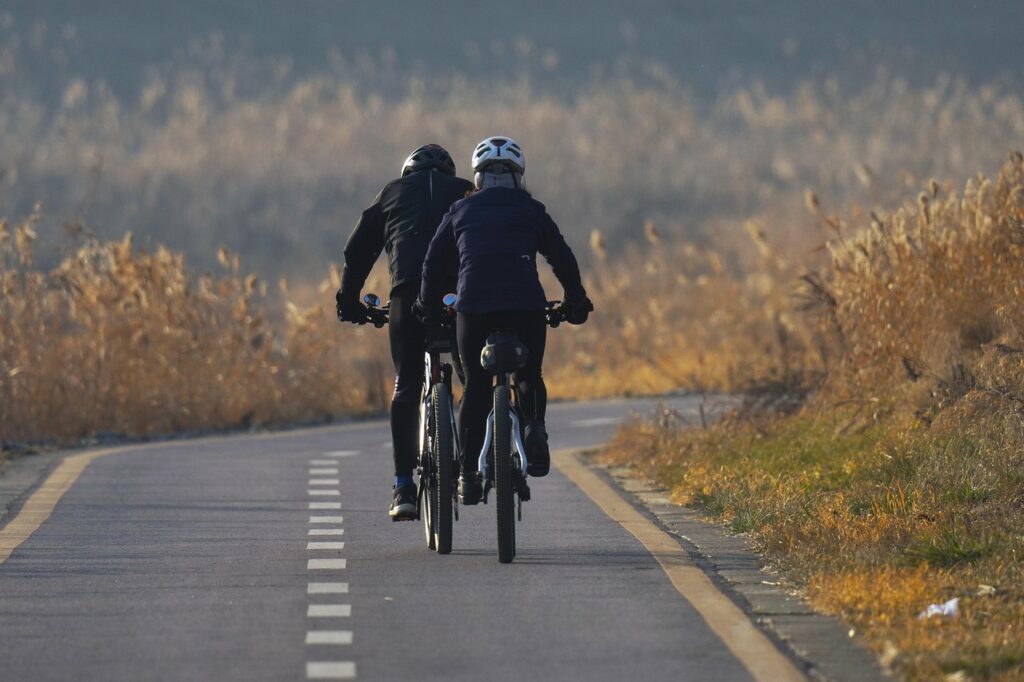
The Great American Rail-Trail lets you dream big—pedal from Washington, D.C. to Washington State on one long, mostly car-free route. It’s transforming how people connect with small towns, cities, and some of the country’s best trail networks.
Project Overview and Progress
Rails to Trails Conservancy (RTC) launched the Great American Rail-Trail to create a continuous, multiuse trail stretching about 3,700 miles across the U.S. This project builds on existing rail-trails, connecting them to form one long path where you can ride safely away from traffic.
Since 2019, the trail has celebrated big milestones. As of 2025, over 2,000 miles are already open, letting you ride major sections today. Completing the rest will take years, but the project is steadily gaining support and funding.
More trails and new connections are being built every year, making cross-country biking easier with each mile finished. Local partners and the RTC work together to pave the way, linking communities and boosting tourism as they go.
States and Communities Along the Route
You’ll pass through 12 states and the District of Columbia if you ride the whole route. Major states include Washington, Idaho, Montana, Wyoming, Nebraska, Iowa, Illinois, Indiana, Ohio, West Virginia, Pennsylvania, and Maryland.
Each state offers its own highlight. For example, you can explore small-town charm in Nebraska, big skies in Montana, and the rolling hills of Pennsylvania. The trail is close to cities like Albany and Buffalo and touches communities of all sizes on its way across the nation.
Nearly 50 million people live within 50 miles of the route. Towns along the trail are seeing new visitors, more business for hotels, restaurants, and bike shops, and stronger local pride with more people discovering the trails in their own backyard.
Connection to Regional Trail Networks
The Great American Rail-Trail links over 150 separate trails, often connecting with popular regional networks. This means you can start or finish your ride on local favorites like the Ohio to Erie Trail or smaller greenways in states like Iowa and Indiana.
These connections help you explore more without ever needing to ride on busy highways. Each host trail still has its own rules, and trail surfaces might change between regions, so it helps to plan ahead.
Here’s a look at just a few linked trails:
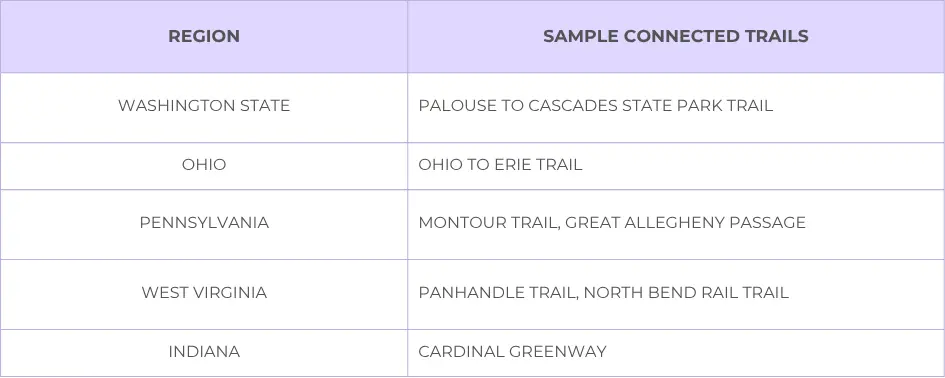
By tying all these paths together, you get a truly coast-to-coast adventure, bringing together the best of regional trails for one big ride.
Unique Features and Experiences on Notable Trails
Each rail-trail offers a different mix of scenic beauty, history, and local flavor. When you set out to explore these paths, you get more than just a bike ride—you get a real sense of place and adventure.
Historic Tunnels and Bridges
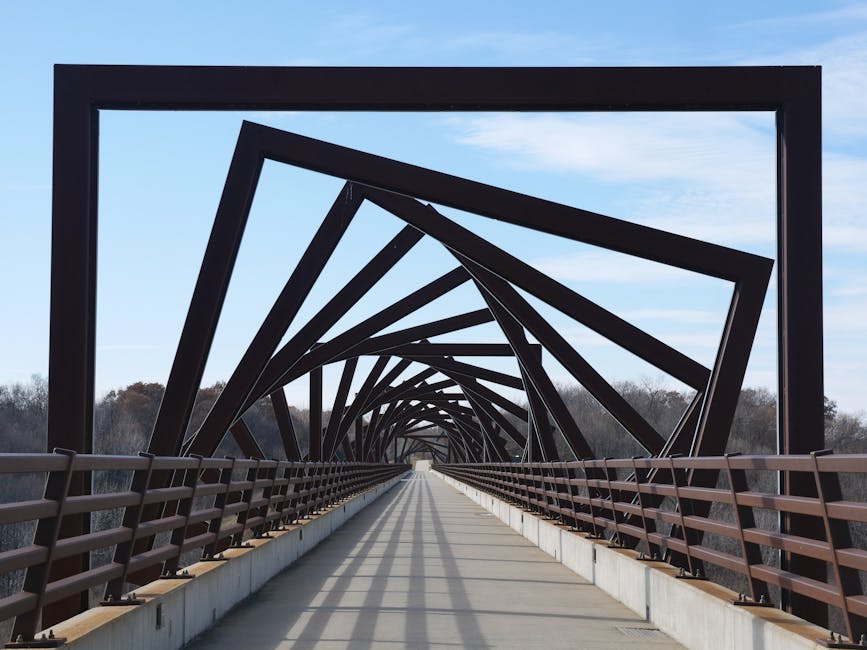
Many top trails have standout old railroad features like tunnels and bridges you won’t see on regular bike paths. For example, the Great Allegheny Passage takes you through the Big Savage Tunnel—a cool, long tunnel that gives a glimpse into railroad history. The High Trestle Trail in Iowa is famous for its huge bridge with unique art and striking nighttime lights.
On the Route of the Hiawatha in Idaho, you bike through 10 tunnels and over 7 sky-high trestles. Riding through these historic tunnels and bridges can make your journey feel like you’re traveling back in time. Look for signs or placards that explain the railroad stories behind these structures, adding even more meaning to your ride.
Wildlife and Natural Landscapes
Some trails feel like you’re biking right through a nature show. On the Trail of the Coeur d’Alenes in Idaho, it’s common to spot moose, eagles, and deer. The Banks-Vernonia Trail in Oregon weaves through forests where you might see woodpeckers or catch the scent of wildflowers.
If you’re on the Bizz Johnson Trail in California, expect varied landscapes—from shady pine forests and rocky canyons to riversides and open meadows. Burke-Gilman Trail in Washington offers lakeside and city views, often packed with birds and other wildlife. Riding these multi-use trails connects you with fresh air and surprises at every turn.
Community and Cultural Highlights
Trails like the Midtown Greenway in Minnesota drop you right into vibrant city areas with murals and public art along the route. In Virginia, the W&OD Trail passes through small towns with historic sites, food stops, and gathering spots. The Dequindre Cut Greenway in Detroit is known for street art and live music events.
On the Minuteman Bikeway in Massachusetts, you pass places where American history happened. Local coffee shops and rest stops have sprung up near many trails, turning them into lively parts of the community. These trails aren’t just for cycling—they’re busy places that help connect people and cultures across towns and cities.
Seasonal Considerations and Events
Several trails become extra special during certain seasons. The fall brings colorful leaves on rail-trails in the Northeast like the Minuteman Bikeway and the Great Allegheny Passage. Spring brings wildflowers and songbirds along the Banks-Vernonia and Bizz Johnson trails.
Look for annual events too. The High Trestle Trail hosts night rides under glowing lights. Some trails, like the Bizz Johnson, hold fun events or chili cook-offs that draw in crowds. Whatever time of year you prefer, there’s likely a rail-trail ride with scenery or activities to match your interest.
Planning Your Next Rails-to-Trails Biking Trip
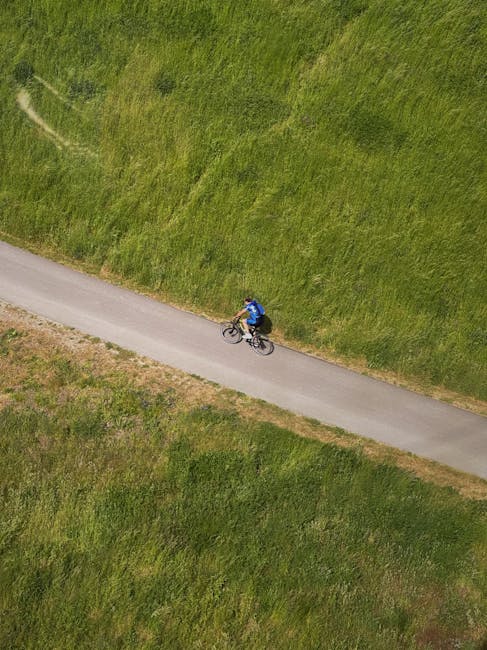
Getting ready for a rails-to-trails biking trip takes a bit of homework, but it makes your ride smoother and more fun. Picking the right trail, staying safe, and packing smart are key steps for a good experience.
Choosing the Right Trail
Start by thinking about how far you want to go and how much time you have. Some of the top trails, like the Great Allegheny Passage or Katy Trail, are long and can take days to finish, while others are perfect for a short afternoon ride.
Check the trail surface. Many multi-use trails are paved or flat crushed stone, which makes biking easier. If you ride a road bike, look for trails with smooth surfaces. Mountain bikes or hybrids can handle rougher trails. Use online maps or guidebooks to see if your chosen trail fits your level and bike type.
Look for nearby parking, restrooms, and places to get food or water. Some trails pass through towns where you can take breaks. Research trail development updates to make sure the path is open and in good shape. Many rails-to-trails paths are family-friendly, car-free, and go through scenic areas.
Trail Safety and Etiquette
Always stay to the right side of the trail and pass on the left. Slow down when going around other people, especially walkers or runners. Call out or use a bell before passing.
Wear a helmet when you ride. Follow posted trail signs for speed limits, wildlife warnings, or detours. Yield to pedestrians and give horses wide space if your trail allows horseback riding. At busy trailheads or crossings, walk your bike if needed.
Keep an eye on the weather. Wet surfaces can be slippery, and storms may cause trail closures. Tell someone where you are riding, especially if you go on longer or remote trails. Respect private property and stay on the marked route.
Essential Gear and Preparation
Bring plenty of water and snacks in a small backpack or bike bag. Pack a tire repair kit, pump, and basic tools for quick fixes. A first aid kit and sunscreen also help if you plan to be out all day.
Check your bike before you leave. Make sure the brakes work, the tires are pumped up, and your chain is greased. Wear bright clothes so others can see you, and use lights if it gets dark.
If you are planning a multi-day ride on one of the top rails-to-trails routes, bring layers of clothing in case the weather changes. Have a phone or GPS, and keep a paper map as backup in case you lose signal. Mark the rest stops and parking areas on your map to make your trip go smoother.