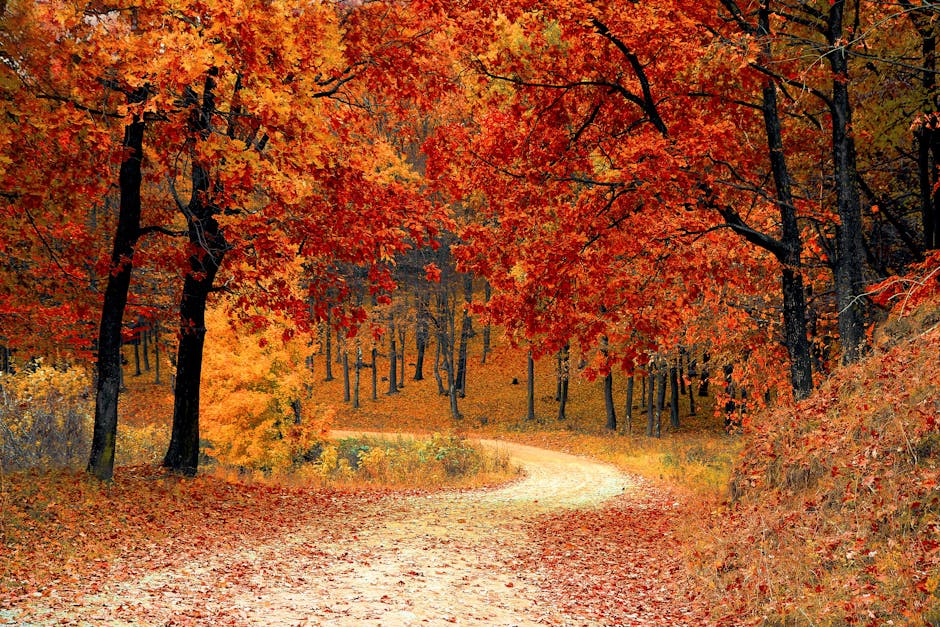
Vermont’s Green Mountains come alive each fall with some of New England’s most stunning leaf displays. The state’s winding back roads and scenic byways offer leaf peepers endless opportunities to see bright reds, golden yellows, and deep oranges painting the mountainsides from late September through mid-October.
This three-day Vermont fall foliage road trip takes you through the most scenic routes, from Route 100’s famous mountain passes to charming villages tucked between rolling hills. You’ll drive through covered bridge country, explore quaint towns like Stowe and Woodstock, and wind along mountain ridges where maples and birches create natural tunnels of color overhead.
Your adventure covers about 200 miles of Vermont’s prettiest roads, with drive times of 45 minutes to 2 hours between stops. Each day brings new landscapes, from northern valleys dotted with red barns to southern mountain vistas where you can see layers of colorful trees stretching for miles. The timing works perfectly for peak foliage season when Vermont’s forests put on their best show.
Trip Overview: Routes, Colors, and Prime Travel Tips
Vermont’s scenic byways transform into a kaleidoscope of colors each fall, with Route 100 serving as your main artery through the Green Mountains. The best viewing happens during the first two weeks of October when maples, birches, and oaks reach peak brilliance.
Best Time to Visit for Peak Color
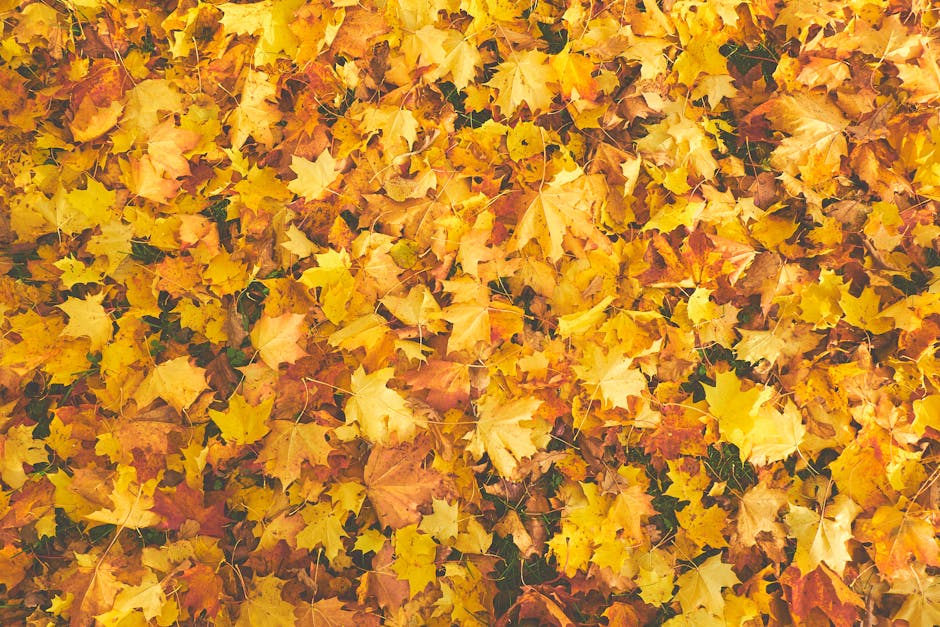
Peak foliage season runs from late September through mid-October in Vermont. The timing varies by elevation and location across the state.
Northern areas like Montgomery see colors first, typically around September 25th to October 5th. Central Vermont along Route 100 hits peak color during October 1st to 10th.
Southern regions near Manchester peak last, usually October 5th to 15th. This north-to-south progression lets you chase the colors during your three-day trip.
Weather plays a big role in color timing. Warm days and cool nights create the brightest displays. Rain and wind can cut the season short by knocking leaves down early.
Check Vermont’s official foliage reports before you travel. These weekly updates tell you exactly where colors are peaking during your visit dates.
Types of Fall Foliage You’ll See (Maple, Birch, Oak, Aspen)
Vermont’s forests create a mixed palette of colors that changes as you drive through different elevations and forest types.
Sugar maples dominate the show with bright orange and red leaves. These trees make up about 25% of Vermont’s forests. You’ll see them everywhere along Route 100.
Red maples add deeper crimson tones to the mix. They grow in wet areas near streams and ponds. Their leaves turn earlier than sugar maples.
Yellow birches provide golden yellow colors that glow in sunlight. Paper birches add white bark contrast against bright yellow leaves. Both are common in the Green Mountains.
American beech trees turn bronze and copper colors. They hold their leaves longer than other trees. You’ll spot them mixed throughout the forests.
Aspen trees flash bright yellow and sometimes orange. They grow at higher elevations and turn color first. Look for them on mountain slopes.
Oak trees range from yellow to deep red-brown. They change color last and keep their leaves into winter in some areas.
Vermont Scenic Byways Explained
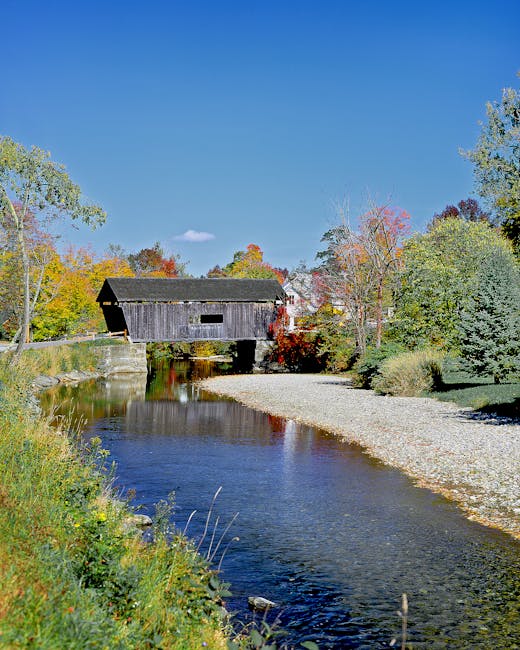
Vermont’s scenic byway system includes several routes perfect for fall foliage viewing. Each offers different landscapes and experiences.
Route 100 stretches 216 miles north to south through Vermont’s heart. It’s called the “skis to spruce” route because it connects ski areas through mountain forests. This will be your main route for all three days.
The Green Mountain Byway follows Route 100 through central Vermont. It passes through Stowe, Warren, and other classic New England towns. Rolling hills and farmland mix with dense forests.
Mount Equinox Skyline Drive near Manchester climbs 3,848 feet to panoramic views. This 5-mile toll road offers the best overlook of southern Vermont’s fall colors.
Route 108 through Smugglers’ Notch provides dramatic mountain scenery. Steep cliffs and narrow roads make this drive more challenging but very scenic.
These byways connect to form loops and longer routes. You can mix different roads to avoid backtracking during your three-day adventure.
Travel Tips for Navigating Vermont’s Backroads
Plan for slower speeds on Vermont’s backroads. Many scenic routes have 25-35 mph speed limits. Factor extra time between destinations.
Fill up your gas tank before leaving major towns. Gas stations are few and far between on rural roads. Keep snacks and water in your car too.
Download offline maps before you start driving. Cell service can be spotty in mountain areas. Having backup navigation helps when GPS fails.
Pack layers of clothing for changing mountain weather. Temperatures can drop 20 degrees from valley to mountaintop. Mornings start cool even on warm days.
Expect crowds during peak weekends, especially around Columbus Day. Leave early in the morning to find parking at popular stops. Weekdays offer better traffic flow.
Bring a physical camera or phone charger. You’ll take more photos than expected. The scenery changes around every curve in the road.
Book accommodations well ahead of time. Hotels fill up months in advance during peak foliage season. Consider staying slightly outside main tourist areas for better availability.
Day 1: Northern Vermont – Covered Bridges and Early Mountain Colors
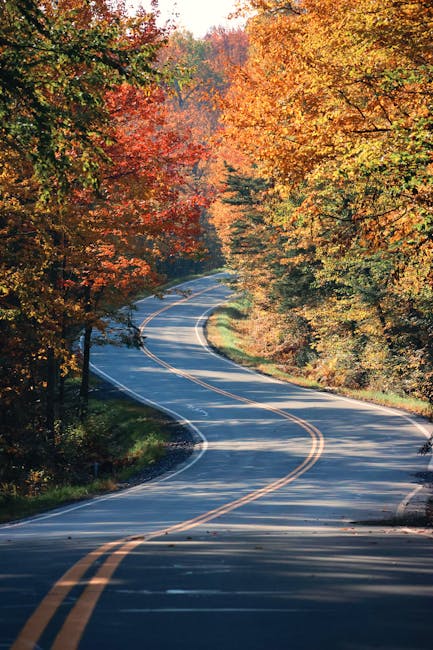
Your first day takes you through Vermont’s northern region where classic covered bridges frame mountain views painted in deep reds and golden yellows. You’ll experience some of the state’s most photographed bridges while catching early season colors along scenic mountain passes.
Start in Montgomery: Covered Bridge Tour
Montgomery holds the title for having the most covered bridges in Vermont with six historic structures within the town limits. You can easily visit all six bridges in about 2-3 hours by car.
Start with the Montgomery Village Covered Bridge right in the town center. This red bridge spans Black Falls Creek and offers easy parking nearby. Walk across to feel the sturdy wooden planks beneath your feet.
Drive 10 minutes north to find the Hectorville Covered Bridge. This white structure sits alongside Route 118 with mountain views in the background. The contrast between the white bridge and colorful maple trees creates perfect photo opportunities.
The West Hill Covered Bridge requires a short detour but rewards you with the most secluded setting. Surrounded by sugar maples showing bright orange and red leaves, this bridge feels like stepping back in time.
Travel time between bridges: 5-15 minutes each Best colors: Bright reds, oranges, and yellows from sugar maplesPhotography tip: Early morning light hits the bridges from the east
Hazen’s Notch Scenic Drive
Hazen’s Notch Road connects Montgomery to Route 100 through a mountain pass that showcases Vermont’s wilderness. This 20-mile drive takes about 45 minutes but plan extra time for photo stops.
The road climbs steadily through dense forest where birch trees create golden tunnels overhead. You’ll see bright yellow leaves mixed with the deeper reds of maples lining the roadway.
At the highest point, pull over at the small parking area for mountain views stretching into Canada. The elevation change means you’ll see different stages of fall color as you climb higher.
Elevation gain: 1,200 feet Road conditions: Paved but narrow with some steep sections Colors to expect: Golden birch, red maples, orange sugar maples Wildlife: Possible deer and wild turkey sightings
Jay Peak Resort: Summit Tramway Experience
Jay Peak’s aerial tramway carries you 2,153 feet up the mountain in about 7 minutes. The summit provides 360-degree views of three states and southern Canada.
From the top, you’ll see a carpet of color spread across the valleys below. The higher elevation means some trees may already be bare while lower elevations show peak colors.
The Sky Haus Cafe at the summit serves hot drinks and light meals. Grab a coffee and spend time on the observation deck taking in the views.
Plan for cooler temperatures at the summit. Bring a jacket even if it’s warm at the base.
Tramway hours: 10 AM to 4 PM daily Cost: $25 for adults Temperature difference: 10-15 degrees cooler at summitColors visible: Reds, oranges, yellows in valleys; some bare branches at elevation
West Hill and Comstock Covered Bridges
End your day with two more covered bridge visits that showcase different architectural styles. The West Hill Covered Bridge sits in a pastoral setting with working farms nearby.
This bridge spans a small creek surrounded by tall grass and wildflowers. The late afternoon light filters through the wooden sides creating dramatic shadows inside.
Drive 15 minutes to reach Comstock Covered Bridge. This structure features a unique design with extra support beams visible from the outside. The surrounding maples show deep crimson colors that intensify in evening light.
Both bridges offer peaceful settings away from main roads. You’ll hear only the sounds of flowing water and rustling leaves.
Best visiting time: Late afternoon for warm light Parking: Roadside parking available at both locations Colors: Deep reds and oranges from mature maples Setting: Rural farmland with mountain backdrops
Day 2: Through the Heart of the Green Mountains
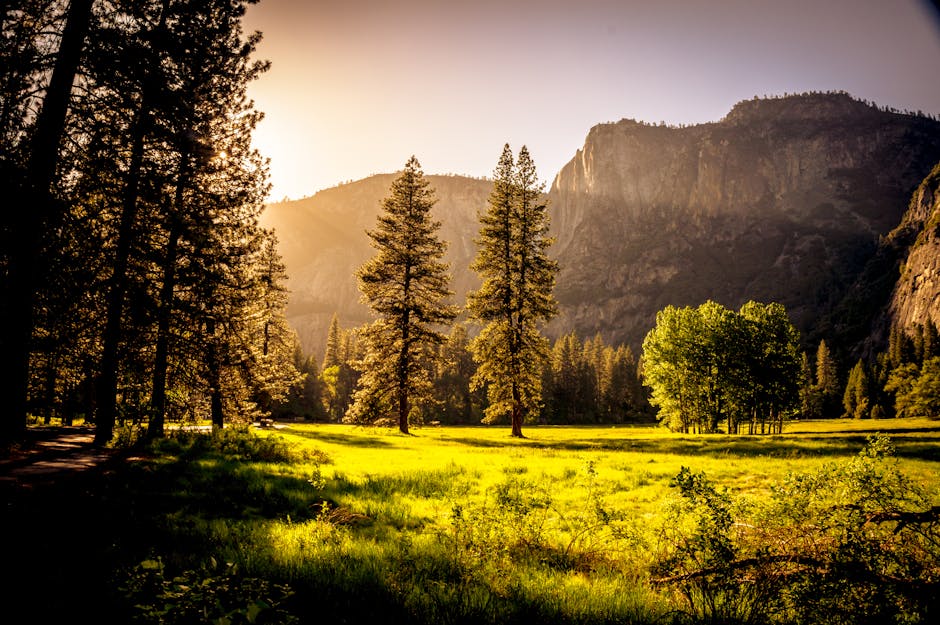
Day two takes you into Vermont’s most dramatic mountain scenery around Stowe, where you’ll walk through a charming alpine village, ride a gondola up Vermont’s highest peak, navigate the narrow cliffs of Smugglers’ Notch, and enjoy mountain views from a historic Austrian-inspired lodge.
Stowe Village and Recreation Path Walk
Start your morning with coffee and a pastry in Stowe Village. The town sits perfectly beneath Mount Mansfield and feels like a European alpine village.
Walk along the Stowe Recreation Path, a paved 5.3-mile trail that connects the village to the mountain resort area. You don’t need to walk the whole thing – even a mile gives you great mountain views.
The path follows the West Branch River through meadows and forests. In mid-October, you’ll see bright red maples mixed with golden birches and orange sugar maples.
Best photo spots:
- The white church steeple with Mount Mansfield behind it
- Bridge crossings over the river
- Open meadow areas with mountain backdrops
Plan about 1-2 hours for village exploration and path walking. The recreation path starts right from the village center, so no driving needed.
Mount Mansfield Gondola Ride or Hike
Mount Mansfield is Vermont’s tallest peak at 4,393 feet. You have two ways to experience the fall colors from up high.
The gondola ride takes 8 minutes each way and costs about $25 for adults. At the top, you can walk the ridge trail between the “Nose” and “Chin” formations.
For hikers, the Sunset Ridge Trail is a 3-mile round trip with incredible views. It’s steep but manageable for most people.
From the summit, you’ll see layers of mountains stretching into New Hampshire. The colors look like a patchwork quilt – deep reds, bright oranges, and golden yellows covering the mountainsides.
What to expect in mid-October:
- Peak colors at lower elevations
- Some bare trees at the summit
- Clear mountain air and crisp temperatures
Allow 2-3 hours for the gondola experience or 4-5 hours for hiking.
Smugglers’ Notch Adventure
Drive north on Route 108 through Smugglers’ Notch, one of Vermont’s most dramatic mountain passes. The road winds between towering cliffs and massive boulders.
This narrow, winding road was once used by smugglers during the War of 1812. The pass closes in winter because it’s too steep and narrow for snow plows.
Stop at Bingham Falls for a short 15-minute hike to a beautiful waterfall. The trail is easy and perfect for stretching your legs.
The cliffs on both sides of the road create a tunnel effect with the colorful trees. You’ll see:
- Bright red maples clinging to cliff faces
- Yellow birches growing between rocks
- Orange and red leaves scattered on the road
Driving tips:
- Take it slow – the road has sharp curves
- Pull over at designated spots for photos
- Watch for other cars on the narrow sections
The drive through the notch takes about 30 minutes without stops.
Trapp Family Lodge Stay and Views
End your day at the famous Trapp Family Lodge, founded by the von Trapp family from “The Sound of Music.” The Austrian-style lodge sits on 2,500 acres with incredible mountain views.
Even if you’re not staying overnight, visit for dinner or drinks on the terrace. The lodge brewery serves Austrian-inspired beers with mountain views.
The property has miles of walking trails through meadows and forests. The Slayton Pasture Trail is an easy 20-minute walk to a clearing with 360-degree mountain views.
Evening activities:
- Dinner at the lodge restaurant
- Beer tasting at the on-site brewery
- Sunset viewing from the meadows
- Exploring the gift shop with Austrian goods
The lodge captures the magic of Vermont’s Green Mountains perfectly. You’ll see the Stowe valley spread out below, with Mount Mansfield rising behind the village.
Book dinner reservations in advance, especially during peak foliage season in early to mid-October.
Scenic Stops Along Route 100: Natural Wonders & Local Flavors
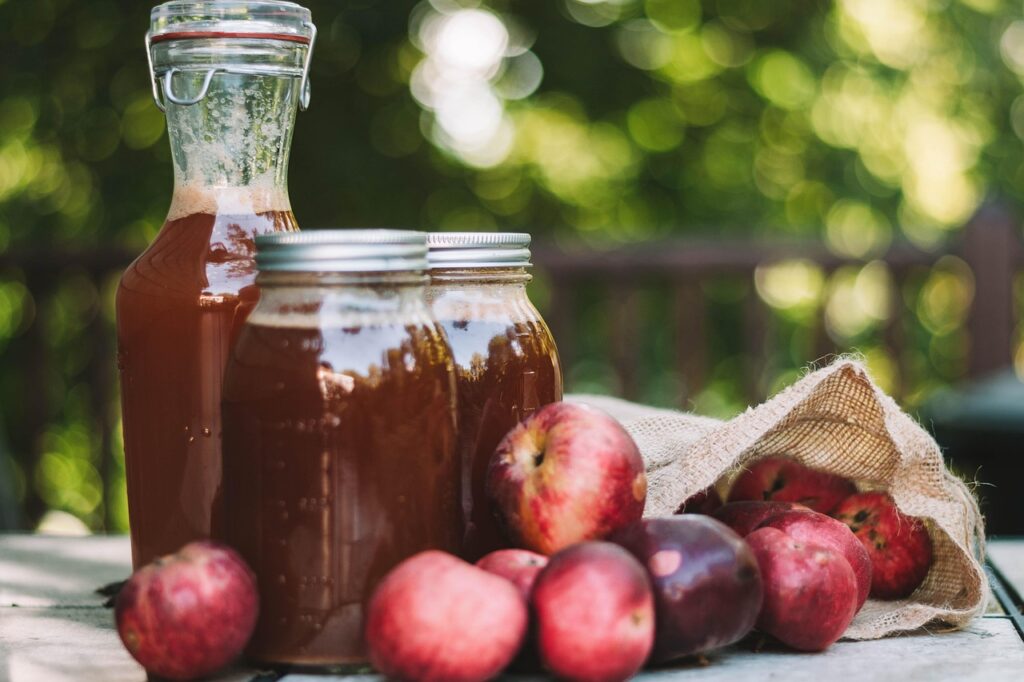
Route 100 offers stunning waterfalls with swimming holes, authentic Vermont cider experiences, and sweeping mountain views that showcase the best fall colors in New England.
Moss Glen Falls and Warren Falls
Moss Glen Falls sits right on Route 100 in Granville, making it one of the easiest waterfall stops on your journey. You can park directly on the roadside and walk just a few minutes on a boardwalk to reach this beautiful cascade.
The boardwalk keeps your feet dry even after rain. This waterfall sometimes closes during flooding, but since it’s right on the highway, you won’t waste time checking it out.
Warren Falls offers something special – swimming holes perfect for a refreshing dip. The waterfall creates natural pools in the rock formations below. These pools stay cool even in warmer fall weather.
Park along the road and follow the short trail to multiple viewing spots. You’ll find several tiers of falls, each with its own character. The swimming holes are deepest at the bottom tier.
During peak foliage, the orange and red maple leaves frame both waterfalls perfectly. Early morning visits give you the best lighting for photos.
Cold Hollow Cider Mill Tasting
Cold Hollow Cider Mill in Waterbury brings you authentic Vermont cider-making traditions. You can watch the cider pressing process through large windows as apples get crushed and pressed into fresh cider.
The mill uses a vintage rack and cloth press system. This method creates the clearest, most flavorful cider you’ll taste. You can sample different varieties before buying.
Their cider donuts are made fresh throughout the day. The donuts pair perfectly with hot cider on crisp fall mornings. You’ll smell the cinnamon and sugar coating from the parking lot.
The gift shop sells Vermont maple syrup, local honey, and seasonal preserves. Many items come from farms within 20 miles of the mill.
Visit between 8 AM and 6 PM for the full experience. Weekend mornings can get busy, so weekday visits offer shorter lines and more personal attention from staff.
Mad River Valley Views
Mad River Valley stretches between the towns of Warren and Waitsfield along Route 100. This valley offers some of the most photographed mountain views in Vermont during fall foliage season.
The valley floor stays relatively flat while mountains rise steeply on both sides. You’ll see Sugarbush Mountain to the west and the Northfield Mountains to the east. These peaks create a natural bowl that traps morning fog, creating mystical sunrise views.
Route 100 curves gently through the valley, giving you constantly changing perspectives. Pull off at the multiple scenic overlooks to capture the best photos.
The Mad River flows alongside the road in many sections. Stone walls and historic barns dot the valley floor, creating classic New England scenes.
Peak foliage timing varies by elevation here. Higher slopes turn first in late September, while valley maples peak in early October. This timing gives you two weeks of different color combinations.
Day 3: Classic Vermont – Quaint Towns, Historic Drives, and Mountain Vistas
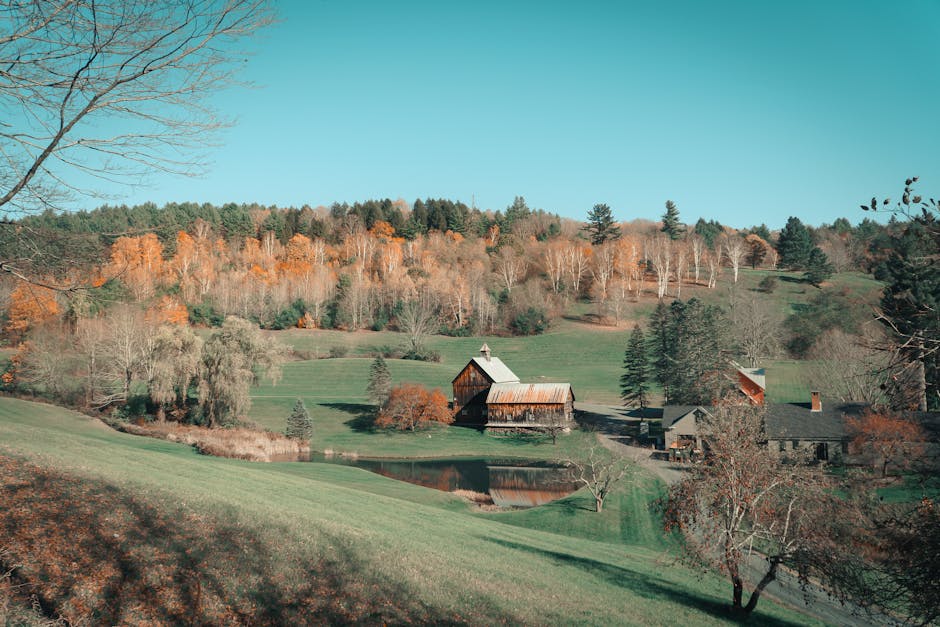
Your final day takes you through Vermont’s most picturesque valley drives and historic mountain towns. You’ll explore covered bridges, experience luxury accommodations, and tackle scenic gap roads with sweeping autumn views.
Woodstock’s Covered Bridge and Village Stroll
Start your morning in Woodstock around 9 AM for the perfect village experience. The Middle Covered Bridge right in town gives you classic Vermont photo ops with bright red and orange maples reflected in the Ottauquechee River.
Walk along Central Street to see the perfectly preserved 19th-century buildings. The white church steeples pop against the colorful hillsides surrounding town.
Must-see spots in Woodstock:
- Billings Farm & Museum for authentic farm life
- Woodstock Village Green with its iconic bandstand
- Local artisan shops along Elm Street
The whole village covers just a few blocks. You can easily walk everything in 90 minutes. Peak foliage here shows deep reds from sugar maples and bright yellows from birch trees.
Woodstock Inn & Resort Experience
Even if you’re not staying overnight, the Woodstock Inn & Resort deserves a visit. This historic property sits right on the village green and offers some of the best fall dining in Vermont.
Stop by for their famous weekend brunch or grab coffee on the wraparound porch. The views from here look out over the green to the surrounding mountains covered in autumn colors.
The resort’s spa offers treatments using local maple and apple ingredients. Their gift shop stocks Vermont-made products perfect for souvenirs.
Timing tip: Make lunch reservations if visiting on weekends during peak foliage season.
Middlebury Gap and Lincoln Gap Drive
Head west from Woodstock around noon for the most dramatic mountain drives in Vermont. Take Route 125 west through Middlebury Gap, then connect to Lincoln Gap Road for back-to-back scenic adventures.
Middlebury Gap (Route 125):
- 18-mile drive through Green Mountain National Forest
- Peak elevation: 2,149 feet
- Best photo stops at Texas Falls and Breadloaf Wilderness overlooks
The Lincoln Gap section gets steep and winding. Your car will climb to 2,424 feet with panoramic views of the Champlain Valley below.
Drive time: 2 hours total with photo stops. Colors here peak in late September with brilliant reds from mountain ash and deep oranges from beech trees.
Mount Equinox Skyline Drive Adventure
End your Vermont adventure with the Mount Equinox Skyline Drive near Manchester. This 5.2-mile toll road takes you to Vermont’s highest peak accessible by car at 3,848 feet.
The drive winds through 11 hairpin turns with increasing elevation views. At the summit, you can see five states on clear days. The autumn landscape spreads out like a colorful patchwork quilt below.
What to expect:
- $20 toll per vehicle
- 30-minute drive to summit
- Visitor center and hiking trails at top
- Views extending to New York’s Adirondacks
Stop at the Chiselville Covered Bridge on Route 7A on your way down. This 1870 bridge frames perfectly with the surrounding fall colors.
The drive back to major airports takes about 2 hours from here, making it a perfect final stop.
Suggested Activities and Can’t-Miss Attractions

Vermont’s scenic byways offer more than just pretty views from your car window. You can pick fresh apples at local orchards, explore charming small towns filled with local treats, and discover vibrant arts scenes in historic downtowns.
Apple Picking and Farm Stand Stops
Fall in Vermont means apple season is in full swing. You’ll find orchards dotted along most scenic routes, especially near Stowe and Waterbury.
Cold Hollow Cider Mill in Waterbury is a must-stop destination. You can watch them make fresh cider and grab their famous cider donuts while they’re still warm. The smell of apples and cinnamon will hit you as soon as you walk in.
Most orchards let you pick your own apples from September through October. Popular varieties include Honeycrisp, Gala, and Empire. Many farms also sell fresh apple cider, pumpkins, and maple syrup.
Farm stands along Route 100 offer local cheese, maple products, and seasonal vegetables. You’ll see hand-painted signs marking these spots along your drive. Stop at a few to stock up on snacks for the road.
Waterbury Day Trip: Ice Cream and Small Town Charm
Waterbury makes a perfect day trip base for exploring the Green Mountain region. The town sits right on Route 100 and offers easy access to several attractions.
Ben & Jerry’s Factory is the big draw here. You can tour the facility and visit the flavor graveyard where discontinued flavors get their own headstones. The factory store serves all current flavors plus some you can’t find elsewhere.
The Cabot Farmers’ Store lets you sample different aged cheddars and other Vermont cheeses. You can pick up vacuum-sealed packages that travel well. Their seven-year aged cheddar has a sharp, complex flavor that’s worth trying.
Waterbury Center State Park surrounds a mountain reservoir. You can rent kayaks, go for a swim, or just enjoy a picnic lunch with mountain views. The water stays cool even in warm fall weather.
Brattleboro’s Artsy Downtown Experience
Brattleboro offers a different side of Vermont with its creative downtown scene. The town sits right on the Connecticut River and has kept its historic character while embracing local artists.
You’ll find over 20 murals painted on buildings throughout downtown. Many depict local history or celebrate Vermont’s natural beauty. The outdoor sculpture trail connects several of these art pieces with a walking route.
Five art galleries showcase local and regional artists. Many feature Vermont landscapes painted in fall colors. The Latchis Theatre is an Art Deco building from 1938 that still shows current movies.
Local restaurants focus on farm-to-table cooking using Vermont ingredients. You can grab coffee at independent cafes or browse bookstores that have been around for decades. The downtown area is very walkable with most attractions within a few blocks of each other.
Where to Stay: Cozy Inns, Lodge Views, and Rustic Retreats
Vermont offers amazing places to rest after your foliage adventures. You’ll find historic inns with crackling fireplaces, mountain resorts with stunning views, and cozy cabins tucked away in the woods.
Charming Bed & Breakfasts
Vermont’s bed and breakfasts give you that authentic New England charm you’re looking for. The Jackson House Innin Woodstock sits on three acres of gardens and offers rooms with gas fireplaces.
You’ll wake up to locally-sourced breakfasts made with seasonal ingredients. Many B&Bs serve warm apple cider and fresh-baked cookies in the afternoon.
The Lang House in Burlington puts you within walking distance of Lake Champlain. You can stroll to the waterfront after breakfast to see fall colors reflected in the water.
Most B&Bs include breakfast in your stay. Expect things like Vermont maple syrup, local cheeses, and farm-fresh eggs. The owners often share insider tips about the best foliage viewing spots.
Resorts with Mountain Views
Mountain resorts let you wake up to amazing views right from your room. Trapp Family Lodge in Stowe offers alpine-style accommodations with mountain vistas stretching for miles.
The Woodstock Inn & Resort combines luxury with Vermont charm. You get complimentary bikes to explore town and shuttles to local attractions. Their spa helps you relax after long days of leaf-peeping.
Jay Peak Resort in northern Vermont gives you access to some of the state’s earliest fall colors. The resort’s higher elevation means foliage starts changing in late September.
Okemo Mountain resort near Ludlow offers scenic gondola rides above the treeline. You can see red maples, golden birches, and orange aspens spread across the valleys below.
Rustic Cabins and Unique Stays
Cabins put you right in the middle of Vermont’s forests. You’ll find options from basic log cabins to luxury retreats with hot tubs and fireplaces.
Many cabins come with wood-burning stoves perfect for chilly October nights. You can roast marshmallows outside while listening to leaves rustling in the breeze.
Unique stays include converted barns, treehouses, and historic farmhouses. Some properties offer farm experiences where you can pick apples or meet friendly animals.
Remote cabins give you peace and quiet away from crowded tourist spots. You’ll hear owls hooting at night and wake up to deer grazing in nearby meadows.
Trip Planning Essentials: Packing, Safety, and Local Etiquette

Vermont’s fall weather can shift from warm afternoons to chilly mornings, so layered clothing is your best friend. You’ll want to pack for both comfort on the trails and safety on winding mountain roads.
What to Pack for Fall in Vermont
Clothing Essentials Pack layers you can add or remove as temperatures change. Bring a warm fleece or wool sweater for early morning drives when it’s around 40°F.
You’ll need a waterproof jacket since October brings occasional rain showers. Pack comfortable hiking boots with good grip for trails in Green Mountain National Forest.
Temperature Guide
- Early morning: 35-45°F
- Afternoon: 55-65°F
- Evening: 40-50°F
Other Must-Haves Bring a warm hat and gloves for mountain viewpoints. Pack extra socks since trails can be muddy from fallen leaves.
Don’t forget sunglasses and sunscreen. The sun reflects brightly off colorful foliage during peak season.
Driving and Parking Advice
Vermont’s scenic byways get crowded during peak foliage season in early October. Start your drives early in the morning to avoid traffic and secure parking spots.
Parking Tips Popular stops like Stowe and Woodstock fill up fast on weekends. Arrive before 9 AM at major attractions.
Many scenic overlooks have limited roadside parking. Pull completely off the road and watch for other cars stopping suddenly for photos.
Mountain Driving Safety Routes through Green Mountain National Forest have steep grades and sharp curves. Keep your gas tank above half full since stations are sparse in rural areas.
Check your brakes before mountain descents. Use lower gears going downhill to avoid overheating your brakes.
Leaf-Peeping Photography Tips
The best light for foliage photos happens during golden hour – one hour after sunrise and before sunset. Plan your stops around these times for the most vibrant colors.
Camera Settings Use a polarizing filter to reduce glare and make colors pop. Set your camera to capture the rich reds and oranges you’ll see in Vermont’s maples.
Composition Ideas Include foreground elements like stone walls or covered bridges. Frame distant mountains with colorful branches in the foreground.
Long Trail Access Many Long Trail access points offer great photo opportunities without long hikes. The trail crosses several scenic byways, making it easy to capture both foliage and mountain views in one shot.
Respect private property when taking photos. Stay on marked trails and designated viewpoints throughout the Green Mountain National Forest.