

Autumn brings beautiful colors and cooler weather to the trails, but it also means dealing with unpredictable rain showers and slippery conditions. Packing the right gear for a rainy autumn hike can make the difference between an enjoyable adventure and a miserable, potentially dangerous experience. When you’re hiking in the rain during fall, you need equipment that keeps you dry, warm, and safe on wet trails.
The key to successful fall hiking in wet conditions is bringing gear that works together as a system. Your rain protection needs to pair well with your layers, and your footwear must handle both wet ground and changing temperatures. Each item you pack should serve a specific purpose in keeping you comfortable and prepared for whatever weather comes your way.
Looking for a quick rundown? Scroll to the end for the full rainy hike packing summary.
Must-Have Rain Gear for Autumn Hikes
The right rain gear keeps you dry and comfortable when autumn weather turns wet. Focus on waterproof layers that protect your body and gear from moisture while allowing ventilation during active hiking.
Rain Jacket and Rain Pants
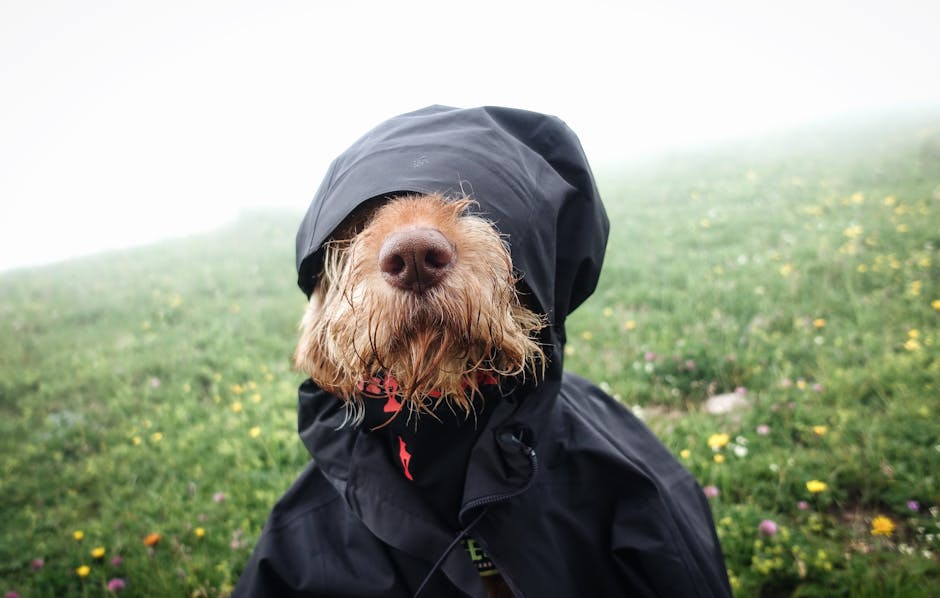
Your rain jacket is your first defense against autumn downpours. Look for jackets with sealed seams and a waterproof rating of at least 10,000mm. The fabric should also breathe well to prevent you from getting soaked in your own sweat.
Choose a jacket with a hood that fits over a hat. The hood should have a brim to keep rain off your face and glasses. Pit zips under the arms help with ventilation when you’re working hard on the trail.
Rain pants are just as important as your jacket. They protect your legs from wet brush and rain. Look for pants with full-length side zips so you can put them on over your hiking boots. This saves time when weather changes quickly.
Both pieces should have bright colors. This helps other hikers see you in gloomy conditions. It also helps rescuers find you if something goes wrong.
Waterproof Backpack Cover
Most backpacks aren’t truly waterproof, even if they claim to be. Water sneaks in through zippers, seams, and anywhere you access your gear. A pack cover adds crucial protection for your supplies.
Choose a cover sized for your specific backpack. It should fit snugly without loose fabric that catches on branches. Look for covers with reflective strips for better visibility in low light.
Some covers come with your pack, but you can buy them separately. They’re lightweight and pack down small when not in use. Keep yours accessible in an outside pocket so you can grab it quickly when rain starts.
Use the cover along with dry sacks inside your pack. This gives you two layers of protection for your most important gear like extra clothes and sleeping equipment.
Gaiters
Gaiters wrap around your lower legs and cover the tops of your boots. They keep rain, mud, and debris from getting into your socks and shoes. This is especially important in autumn when trails are covered with wet leaves.
Look for gaiters that reach at least mid-calf height. They should have waterproof fabric and sealed seams. The closure system needs to be easy to use with cold, wet hands.
Choose gaiters with a sturdy strap that goes under your boot. This strap takes the most wear, so it should be replaceable. The top should have an adjustable closure that stays snug but doesn’t cut off circulation.
Gaiters also protect your pants from getting muddy. This keeps you more comfortable and means less laundry when you get home from your hike.
Layering Clothing for Wet and Cool Conditions
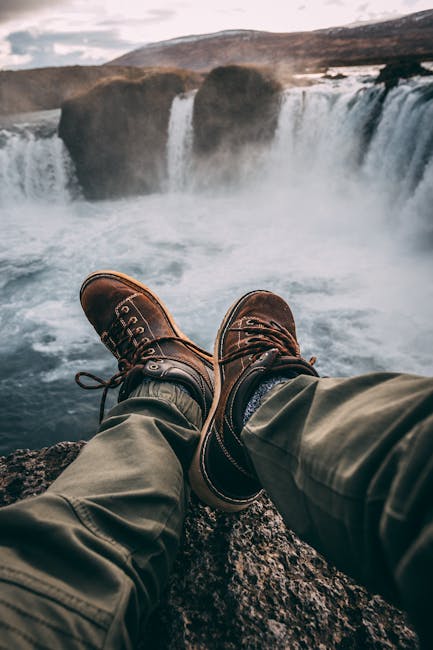
The right layers will keep you warm and dry when autumn weather turns wet and chilly. Focus on materials that wick moisture away from your body while providing insulation even when damp.
Synthetic or Insulated Jacket
Your insulated jacket serves as the crucial middle layer between your base layer and rain shell. Look for synthetic insulation rather than down because it keeps you warm even when wet.
Synthetic fill like polyester maintains its loft when damp. Down feathers clump together and lose warmth when they get wet from rain or sweat.
Choose a jacket that fits comfortably over your base layer without being too tight. You need room for air circulation and freedom of movement on the trail.
Look for features like a full-zip front and zippered pockets. These let you adjust ventilation and store small items like snacks or your phone.
The jacket should be lightweight enough to pack into your backpack when you warm up. Many synthetic insulated jackets compress into their own pocket for easy storage.
Moisture-Wicking Hiking Pants
Your hiking pants need to handle wet conditions while letting you move freely on uneven terrain. Choose pants made from quick-drying synthetic materials rather than cotton.
Synthetic fabrics like nylon or polyester blends dry much faster than cotton when they get wet. They also wick sweat away from your skin to keep you comfortable.
Look for pants with some stretch in the fabric. This helps you climb over rocks and logs without the pants restricting your movement.
Water-resistant treatments on hiking pants help light rain and morning dew bead up and roll off. The treatment wears off over time but can be reapplied.
Consider pants with zippered pockets to secure your gear. Side leg zippers also help with ventilation when you start warming up on steep climbs.
Wool or Synthetic Hiking Socks
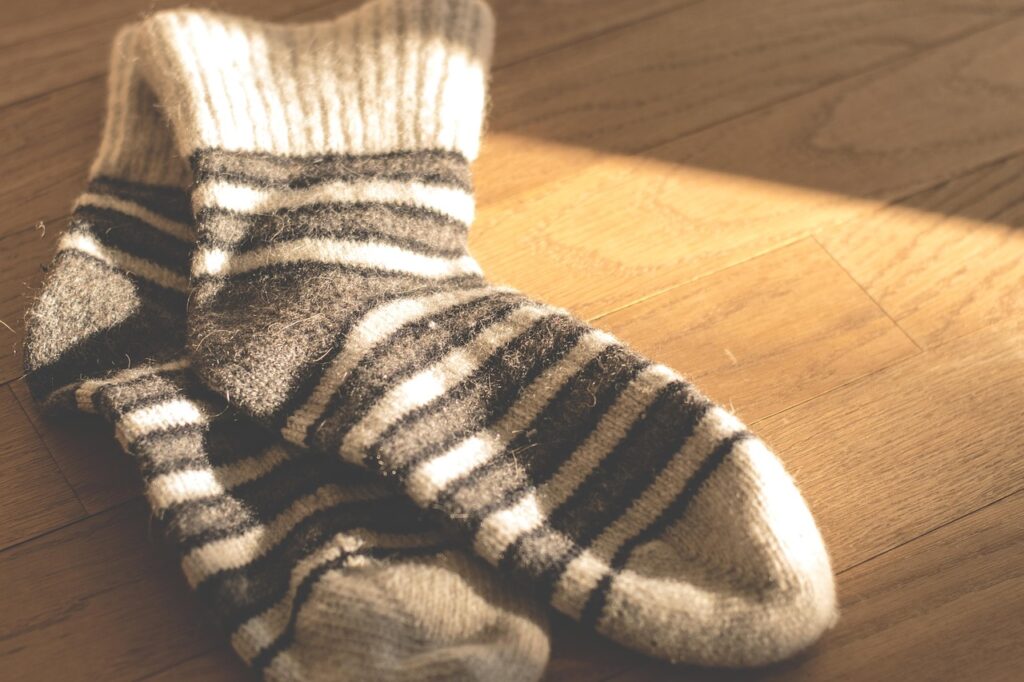
Your socks are one of the most important pieces of gear for wet autumn hikes. Wool and synthetic materials keep your feet warm even when they get damp.
Merino wool naturally wicks moisture and resists odors. It also provides cushioning and warmth even when wet from stream crossings or rain.
Synthetic hiking socks made from polyester or nylon blends dry faster than wool. They’re also more durable and cost less than merino wool options.
Look for socks with cushioning in the heel and toe areas. These high-impact zones need extra protection during long hikes on rocky trails.
Avoid cotton socks completely. Cotton holds moisture against your skin and loses insulation when wet, which can lead to blisters and cold feet.
Hat and Gloves
Your head and hands lose heat quickly in cold, wet conditions. A good hat and gloves keep you comfortable and help maintain your core body temperature.
Choose a hat made from wool or synthetic materials that insulate when damp. A brim helps keep rain out of your eyes on the trail.
Look for gloves that let you still use your hands for hiking poles or adjusting gear. Lightweight synthetic gloves work well for most autumn conditions.
Your hat should fit snugly without being too tight. It needs to stay put in wind but not give you a headache during long hikes.
Water-resistant gloves help in light rain, but they don’t need to be fully waterproof. You want some breathability to prevent your hands from getting sweaty inside the gloves.
Footwear Essentials for Slippery and Wet Trails
Wet autumn trails demand boots with deep treads and waterproof protection to handle muddy slopes and rain-soaked terrain. Pack lightweight backup shoes to give your feet relief after hours in damp hiking boots.
Waterproof Hiking Boots
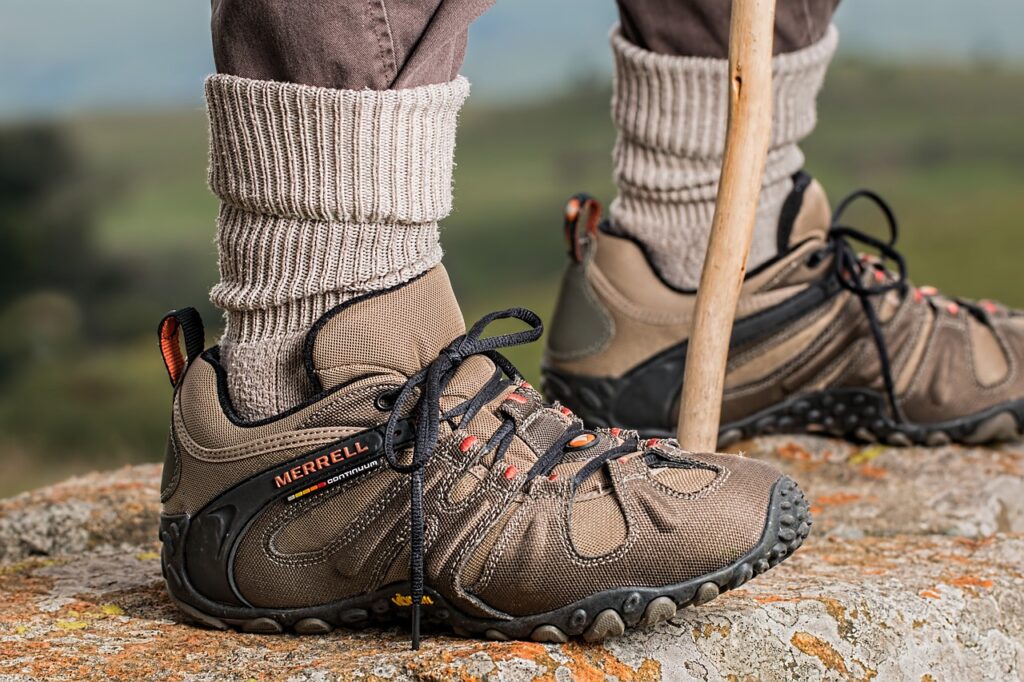
Your boots need deep lug soles to grip slippery rocks and muddy patches. Look for treads at least 4mm deep with multi-directional patterns.
Waterproof membranes keep feet dry when you step in hidden puddles under fallen leaves. Check that water beads up on the surface instead of soaking in.
Key features to find:
- Deep, aggressive tread patterns
- Waterproof breathable membranes
- Ankle support for unstable terrain
- Quick-drying materials
Renew waterproof coatings each season if you notice dark wet spots forming on the boot surface. This restores the water-repelling ability.
Test your current boots before your hike. Pour water on them to see if it beads up and rolls off. If water soaks in, treat them with waterproofing spray.
Camp Shoes
Pack lightweight shoes to wear at rest stops and around camp. Your hiking boots stay wet all day, so dry backup shoes prevent foot problems.
Slip-on clogs or sandals work best because they’re easy to put on with tired feet. Look for closed-toe designs that protect against rocks and roots.
Choose shoes with drainage holes or mesh panels. Your feet might still be damp when you change shoes, so quick-drying materials help.
Benefits of camp shoes:
- Give feet a break from wet boots
- Allow hiking boots to air out
- Prevent fungal infections from constant moisture
- Provide comfort during breaks
Keep them in an easy-access pocket of your pack. You’ll want to change shoes quickly during short rest stops on cold autumn days.
Navigation Tools and Staying Prepared

Getting lost on a rainy autumn hike can turn dangerous fast. Essential navigation tools like maps, compasses, and GPS devices help you stay on track when trails get muddy and visibility drops.
Map and Compass Basics
Maps are your most reliable navigation tool because they don’t need batteries. Look for waterproof topographic maps that show elevation changes and trail markers. Keep your map in a clear, waterproof case to protect it from rain.
A compass works with your map to show direction. Choose a baseplate compass with a clear, rotating bezel. The compass should have luminous markings so you can read it in low light.
Practice using your map and compass together before your hike. Learn to take a bearing and triangulate your position. These skills become critical when rain reduces visibility and familiar landmarks disappear.
GPS Devices
GPS devices give you exact coordinates and can track your route. Look for units with long battery life and waterproof ratings of IPX7 or higher. The screen should be readable in bright sunlight and rain.
Download offline maps before your hike. Cell towers don’t always work in remote areas. Your GPS should store maps locally on the device.
Bring extra batteries or a portable charger. Cold autumn weather drains batteries faster than normal. GPS devices use more power in bad weather when they work harder to find satellites.
Bandana for Emergencies
A bandana serves multiple emergency purposes beyond navigation. Use it to mark your trail if you need to backtrack. Bright colors help rescuers spot you from a distance.
The bandana can signal for help when waved overhead. It also works as a first aid tool for bandaging cuts or sprains. In rain, it protects your neck and can clean your compass or GPS screen.
Choose cotton or synthetic materials that dry quickly. Bright orange or red colors show up best against autumn foliage and gray skies.
Safety and Comfort Items to Bring
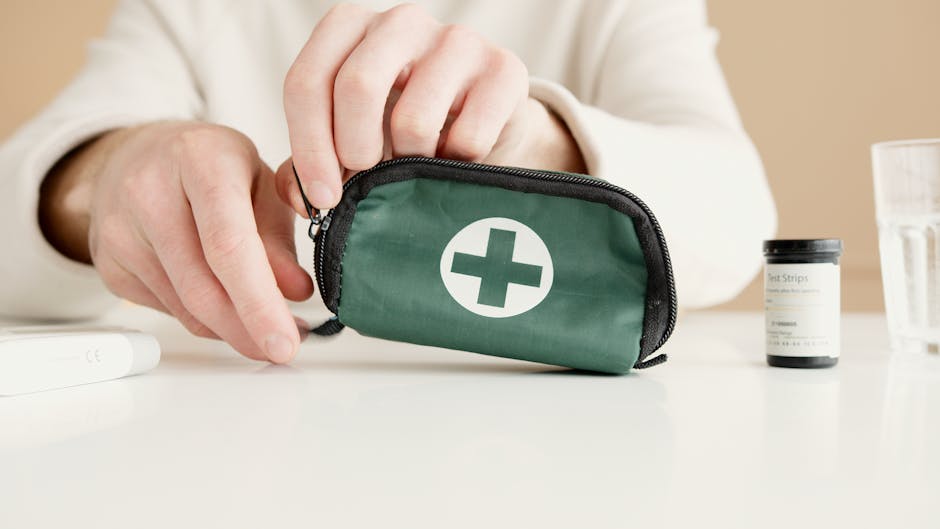
When rain clouds roll in during your autumn hike, having the right safety and comfort gear can make the difference between a memorable adventure and a dangerous situation. Essential items like first-aid supplies, reliable lighting, and stability aids help you handle wet conditions safely.
First-Aid Kit
A waterproof first-aid kit becomes even more critical during rainy autumn hikes when slippery conditions increase injury risk. Pack your supplies in a completely waterproof container or dry bag to keep everything usable when you need it most.
Your kit should include:
- Bandages and gauze for cuts from wet rocks or branches
- Blister treatment since wet feet create more friction
- Pain relievers for muscle strain from navigating slippery terrain
- Antiseptic wipes to clean wounds before bandaging
Look for kits with reflective tape or bright colors so you can find them quickly in poor visibility. Pre-packaged wilderness first-aid kits work well, but check that they’re stored in truly waterproof cases.
Moleskin or blister patches deserve extra attention in wet conditions. Your feet will likely get damp despite waterproof boots, creating perfect conditions for hot spots and blisters.
Headlamp or Flashlight
Autumn days get shorter, and rain clouds make trails even darker earlier than expected. A reliable headlamp keeps your hands free for balance and navigation on slippery surfaces.
Choose a headlamp with at least 200 lumens for adequate trail visibility in rain and fog. Red light settings help preserve night vision without blinding you when checking maps or gear.
Waterproof rating matters more in wet conditions. Look for IPX4 rating or higher to handle rain and splashing. Some headlamps include tilting heads that let you angle the beam down for close-up tasks or ahead for distance viewing.
Pack extra batteries in a waterproof container since cold, wet weather drains power faster. Lithium batteries perform better than alkaline in cold temperatures.
A backup flashlight weighs little but provides peace of mind. Small LED flashlights work well and many are completely waterproof.
Trekking Poles
Wet leaves, muddy trails, and slick rocks make trekking poles essential safety tools rather than just comfort items. They provide crucial stability points when your feet can’t find reliable grip.
Adjustable poles let you shorten them for uphill climbs and lengthen them for downhill descents where slipping becomes most dangerous. Cork or rubber grips feel more secure than foam when wet.
Look for mud baskets near the bottom that prevent poles from sinking too deep into soft ground. Carbide or steel tipsbite into wet rock and hard surfaces better than basic plastic tips.
Wrist straps keep poles attached if you slip, but make sure you can release them quickly if a pole gets caught. Proper technique involves planting poles ahead of your feet for maximum stability on uncertain terrain.
Hydration, Nutrition, and Food Storage
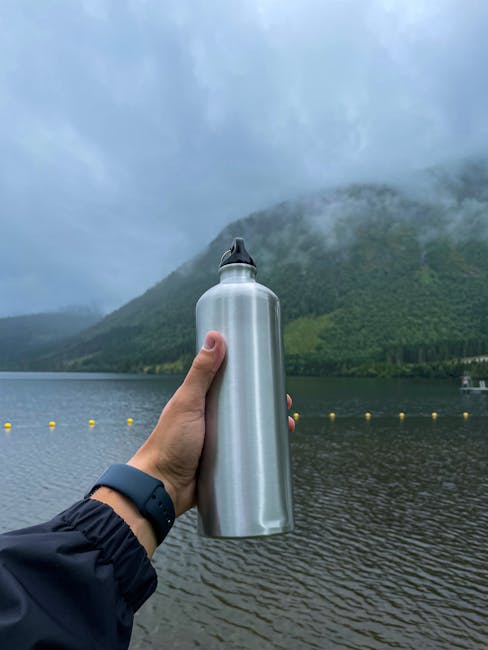
Staying properly hydrated and fed during autumn rain hikes requires reliable water sources, energy-dense foods, and waterproof storage solutions. Cold, wet conditions increase your calorie needs while making access to dry food more challenging.
Water Bottles and Water Treatment
1. Insulated Water Bottles
You need insulated water bottles to prevent your water from getting too cold in autumn weather. Cold water can make you feel colder and less likely to drink enough.
Look for double-walled stainless steel bottles. They keep water at a comfortable temperature for hours. Choose bottles with wide mouths so you can add ice or clean them easily.
Bring at least one liter of water per hour of hiking. Rain and cold weather can hide signs of dehydration. You might not feel as thirsty, but your body still needs water.
2. Water Purification Tablets or Filters
Pack water treatment options in case you run out of clean water. Natural water sources can contain harmful bacteria even if they look clean.
Water purification tablets are lightweight and work in cold weather. They kill most bacteria and viruses but take 30 minutes to work. Water filters work faster but can freeze in very cold conditions.
Nutritious Snacks

3. High-Energy Trail Food
Your body burns more calories in cold, wet weather to stay warm. Pack calorie-dense snacks that give you quick energy and longer-lasting fuel.
Choose foods with healthy fats, complex carbs, and protein. Nuts, dried fruit, and energy bars work well. Avoid foods that freeze solid or get soggy when wet.
Trail mix, nut butter packets, and dried meat provide good nutrition. Pack 200-300 calories per hour of hiking plus extra for emergencies.
4. Warm Beverages
Bring hot drinks in a thermos to warm you up from the inside. Hot chocolate, tea, or coffee can boost your mood and energy when you’re cold and wet.
Look for thermoses that keep drinks hot for 8-12 hours. Stainless steel works better than plastic. Make sure the lid seals tightly to prevent leaks in your pack.
Food Containers

5. Waterproof Food Storage
Wet food can spoil quickly and make you sick. Waterproof containers keep your food dry and fresh throughout your hike.
Hard plastic containers with rubber seals work best. They protect food from getting crushed in your pack. Clear containers let you see what’s inside without opening them.
Pack food in multiple small containers instead of one big one. This way, if one container fails, you don’t lose all your food.
6. Resealable Bags
Bring several resealable plastic bags as backup food storage. Double-bag important items like your lunch or emergency food.
Heavy-duty freezer bags resist tearing better than regular bags. Keep some empty bags for wet clothes or trash. This helps keep the inside of your pack dry and organized.
Embrace the Drizzle: Must-Have Gear for Autumn Hikers
- Waterproof Rain Jacket – Choose one with breathable fabric and sealed seams to keep rain out while letting sweat escape. Look for adjustable hoods and cuffs that seal tight around your wrists.
- Waterproof Rain Pants – These protect your legs from getting soaked and losing body heat. Pick lightweight options that pack small but have reinforced knees for durability.
- Waterproof Hiking Boots – Your feet need protection from puddles and wet terrain. Look for boots with good ankle support and aggressive tread patterns for grip on slippery surfaces.
- Moisture-Wicking Base Layers – Cotton kills in wet conditions, so choose synthetic materials or merino wool that dry quickly and keep you warm even when damp.
- Insulating Mid-Layer – A fleece or synthetic insulated jacket provides warmth when temperatures drop. Synthetic insulation works better than down in wet conditions because it stays warm when wet.
- Waterproof Pack Cover or Dry Bags – Keep your gear dry inside your backpack with either a rain cover or by storing items in waterproof stuff sacks.
- Extra Socks and Gloves – Pack backup pairs in case your primary ones get soaked. Wet extremities lose heat fast and can ruin your hike.
- Headlamp with Extra Batteries – Rainy autumn days get dark earlier, and you need reliable hands-free lighting that won’t fail when wet.
- Emergency Shelter – A lightweight emergency bivy or space blanket gives you protection if you need to wait out severe weather or deal with an emergency.
- Navigation Tools – Bring a map and compass as backups since phones and GPS devices can fail in wet conditions or run out of battery faster in cold weather.