
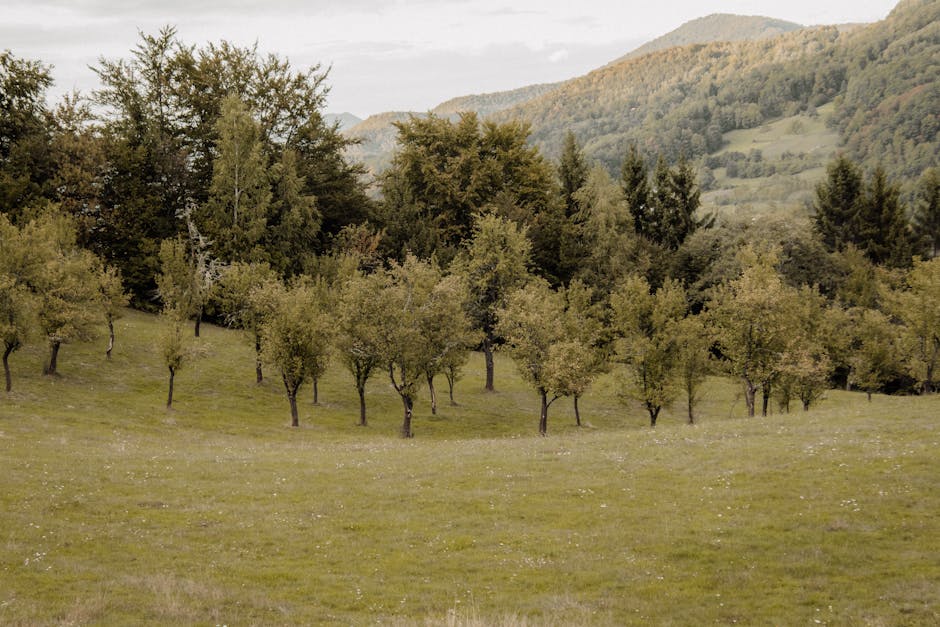
Autumn brings the perfect combination of crisp air, colorful foliage, and dramatic lighting that makes sunrise and sunset hikes truly special for photographers. The shorter days mean you don’t have to wake up quite as early for sunrise shots, while the changing leaves create stunning backdrops for golden hour photography.
These carefully selected trails across the United States offer incredible viewpoints where you can capture both the first and last light of the day against some of America’s most beautiful landscapes. From desert canyons in Utah to coastal cliffs in Maine, each location provides unique photography opportunities that showcase autumn’s natural beauty.
Whether you’re drawn to mountain peaks silhouetted against colorful skies or reflective lakes that mirror the changing seasons, these ten hiking destinations will give you the perfect spots to capture memorable sunrise and sunset images. Each trail offers different challenges and rewards, from easy coastal walks to more demanding mountain climbs that lead to breathtaking overlooks.
Why Sunrise & Sunset Hikes Are a Photographer’s Dream
The soft, warm light during golden hour creates perfect conditions for capturing stunning autumn landscapes. Early morning and evening hikes offer fewer crowds and better lighting than midday shoots.
Chasing the Magic of Golden Hour
Golden hour happens twice each day – right after sunrise and before sunset. This special time gives you soft, warm light that makes everything look amazing.
The sun sits low in the sky during golden hour. This creates long shadows that add depth to your photos. The warm orange and pink colors make autumn leaves pop.
Your camera captures more detail during golden hour too. The light isn’t too bright or too dark. This means you won’t lose details in bright spots or dark areas.
Morning golden hour often gives you cleaner air and better visibility. Fog and mist add extra drama to your shots. These conditions work perfectly with autumn colors.
The light changes fast during golden hour. You’ll get many different looks in just 30 minutes. This gives you lots of options for creative shots.
Best Times for Capturing Autumn Light
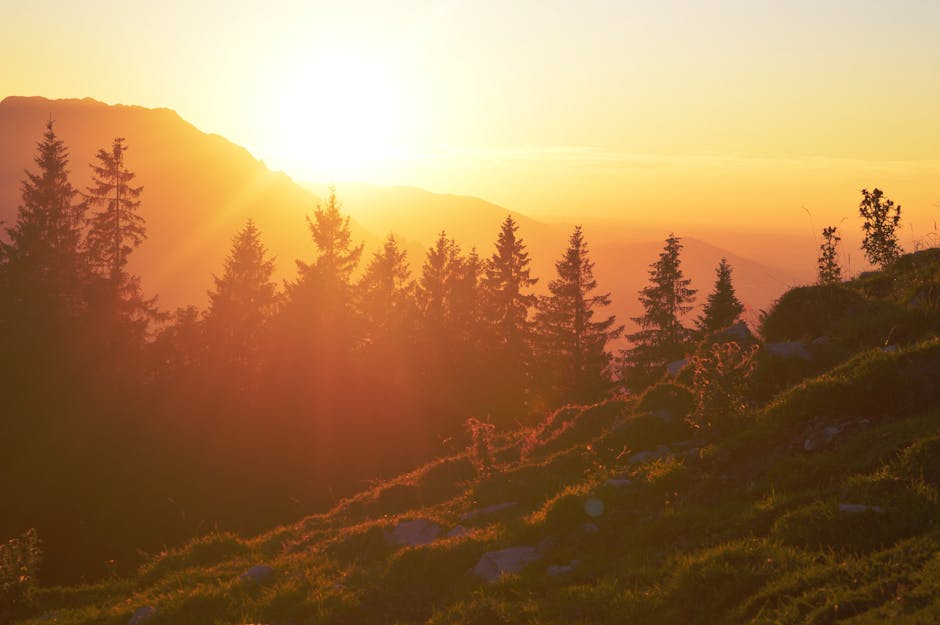
Plan to arrive at your hiking spot 45 minutes before sunrise. This gives you time to set up and find the best angles. The best colors often happen before the sun actually appears.
For sunset hikes, start 90 minutes before the sun goes down. You’ll want to hike to your spot while there’s still good light on the trail.
Autumn sunrises happen later than summer ones. In October, sunrise might be around 7:00 AM instead of 5:30 AM. This makes morning shoots easier to manage.
Check the weather before you go. Partly cloudy days often give the best colors. Clear skies can look boring, while heavy clouds block all the light.
The week after a cold front passes gives amazing visibility. You’ll see farther and get clearer shots of distant mountains or valleys.
Unique Benefits of Autumn Landscapes
Fall hiking gives you subjects that don’t exist in other seasons. Colorful leaves, bare branches, and misty morningscreate unique photo opportunities.
Fewer people hike in autumn, especially early morning. You’ll have popular spots mostly to yourself. This means no crowds in your shots and better access to viewpoints.
Cool autumn air stays still more often than summer air. This helps with sharp photos of leaves and reduces camera shake from wind.
Morning frost adds sparkle to grass and leaves. This extra detail looks amazing when lit by golden hour light. The frost usually melts within an hour of sunrise.
Autumn storms create dramatic skies that photograph beautifully. The contrast between dark clouds and bright fall colors makes striking images.
Water levels are often lower in fall, revealing rocks and features that stay hidden in spring. This gives you new compositions at familiar spots.
Essential Tips for Planning Sunrise & Sunset Photo Hikes
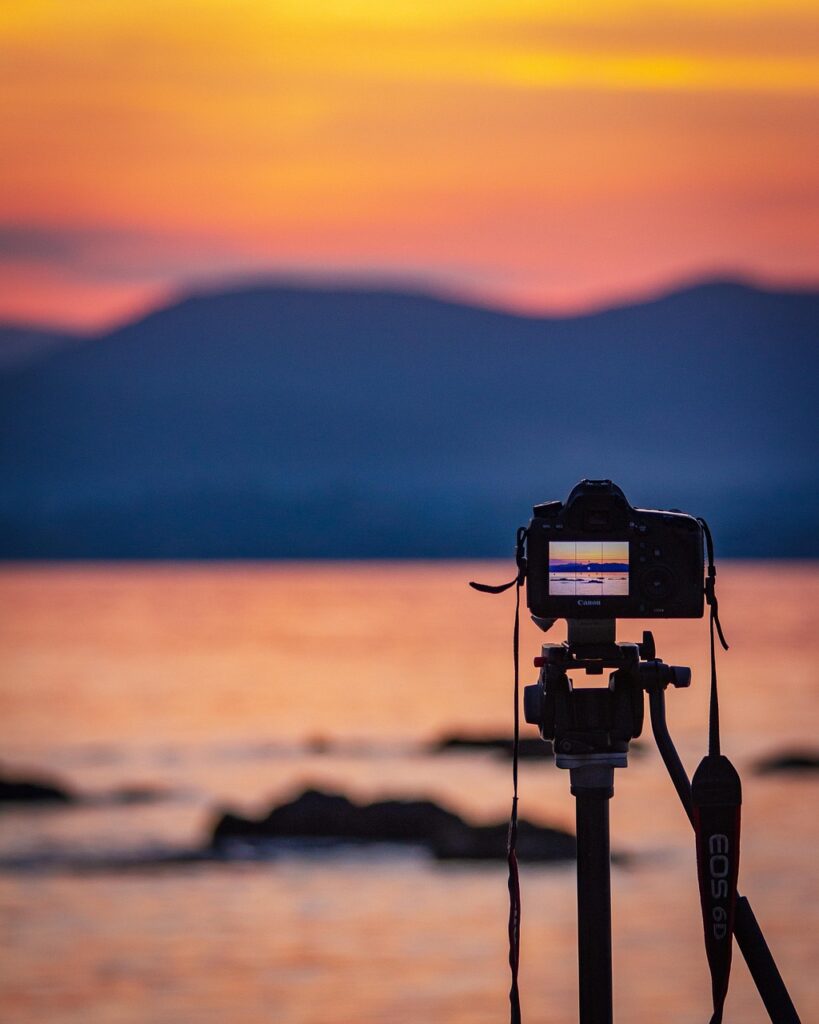
Success in sunrise and sunset photography depends on careful planning and preparation. The right timing, proper gear, and safety measures will help you capture stunning images during the golden hour while keeping you safe on the trail.
Timing Your Hike for Perfect Lighting
Plan to arrive at your photo spot at least 30 minutes before sunrise or sunset begins. This gives you time to set up your camera and find the best angles.
The golden hour starts about an hour before sunset and continues for 30 minutes after. For sunrise, it begins 30 minutes before the sun appears and lasts about an hour afterward.
Check sunrise and sunset times for your exact location before you leave home. These times change daily and vary by location. Weather apps often show this information.
Consider the season when planning your hike. In autumn, the sun sets earlier each day. This means you might need to start your hike earlier than expected.
Don’t leave right when the sun disappears. The best colors often happen 15-30 minutes after sunset when the sky glows with deep oranges and purples.
For sunrise hikes, you’ll need to wake up very early. Factor in your drive time and hiking time to reach your spot before dawn breaks.
Packing the Right Gear for Early and Late Hours
Bring a headlamp or flashlight with extra batteries for hiking in the dark. Red light settings help preserve your night vision.
Pack layers of clothing since temperatures drop quickly after sunset. Mornings can be much colder than expected, especially in autumn.
Essential camera gear includes:
- Tripod for sharp photos in low light
- Extra batteries (cold weather drains them faster)
- Lens cleaning cloth for dew and moisture
- Camera rain cover if weather looks questionable
Bring a comfortable backpack that won’t strain your shoulders during long hikes. Pack snacks and plenty of water.
Consider bringing a small camping chair if you plan to wait for extended periods. This makes long photo sessions more comfortable.
Hand warmers can keep your fingers nimble for adjusting camera settings in cold morning air. Pack a few pairs in your pockets.
Staying Safe While Hiking in Low Light
Tell someone your hiking plans including which trail you’re taking and when you expect to return. This is crucial for solo photographers.
Stick to trails you know well when hiking in darkness. Familiar paths reduce the risk of getting lost or injured.
Low light safety essentials:
- Wear bright or reflective clothing
- Stay on marked trails
- Move slowly and watch your footing
- Keep your phone charged for emergencies
Start your hike earlier than normal to account for slower movement in dim conditions. Rushing in low light leads to accidents.
Be aware of wildlife activity during dawn and dusk hours. Many animals are most active during these times when you’ll be on the trail.
Check weather conditions before leaving home. Wet or icy conditions become much more dangerous when combined with poor visibility.
1. Angels Landing Trail, Zion National Park, Utah
Angels Landing offers some of the most dramatic canyon photography opportunities in Utah. The 5-mile round-trip hike climbs 1,500 vertical feet to reach stunning sunrise vantage points above Zion Canyon’s red sandstone walls.
Photographing Canyons at Dawn
The golden hour transforms Zion Canyon into a photographer’s paradise from Angels Landing’s summit. You’ll capture the Virgin River winding through the canyon floor 1,500 feet below as morning light paints the red cliffs in vibrant orange and pink hues.
Start your hike at 4:30 AM to reach the top before sunrise. The eastern-facing position gives you perfect light as it hits the western canyon walls. Your wide-angle lens will capture the full scope of the canyon stretching toward the horizon.
Best camera settings for dawn:
- ISO 100-400 for clean shadows
- Aperture f/8-f/11 for sharp foreground and background
- Use a tripod for long exposures during blue hour
The layered rock formations create natural leading lines in your compositions. Frame shots with the winding Virgin River as your foreground element.
Iconic Vistas and Sheer Cliffs
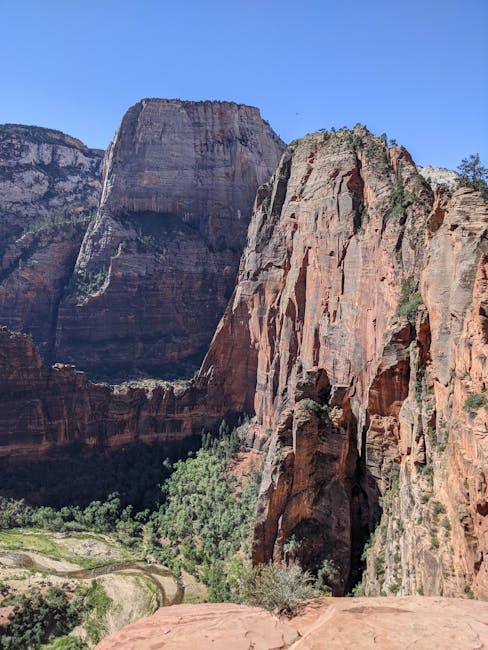
Angels Landing’s narrow ridge provides 360-degree views of towering sandstone cliffs and deep canyons. You’ll photograph massive formations like The Great White Throne and Cathedral Mountain from this unique elevated perspective.
The chain section offers dramatic cliff photography opportunities. Capture the steep drop-offs and narrow ridge that makes this hike famous. Your telephoto lens will compress the canyon walls and emphasize the park’s massive scale.
Key photography subjects:
- Zion Canyon’s depth – Show the 2,000-foot cliff walls
- Rock formations – Capture carved sandstone layers
- Desert vegetation – Include cottonwood trees along the river
Safety comes first on the exposed ridge. Secure your camera gear and never lean over edges for shots.
Best Spots Along the Trail
Scout’s Lookout provides excellent sunrise views without completing the final chain section. This spot offers safer photography conditions with expansive canyon vistas and dramatic cliff faces.
Walter’s Wiggles switchbacks create interesting foreground elements for wide shots of the canyon. Stop at these 21 steep turns to photograph the trail carved into the rock face.
The Grotto area at the trailhead offers river photography before your climb. Capture reflection shots of the towering cliffs in the Virgin River’s calm pools.
Timeline for sunrise photography:
- 4:00 AM – Start from Grotto parking
- 6:30 AM – Reach Scout’s Lookout
- 7:00 AM – Summit Angels Landing
- 7:30 AM – Peak golden hour lighting
Remember that permits are required year-round for the final half-mile to Angels Landing’s summit. Book these in advance through the National Park Service.
2. Cadillac Mountain Summit, Acadia National Park, Maine
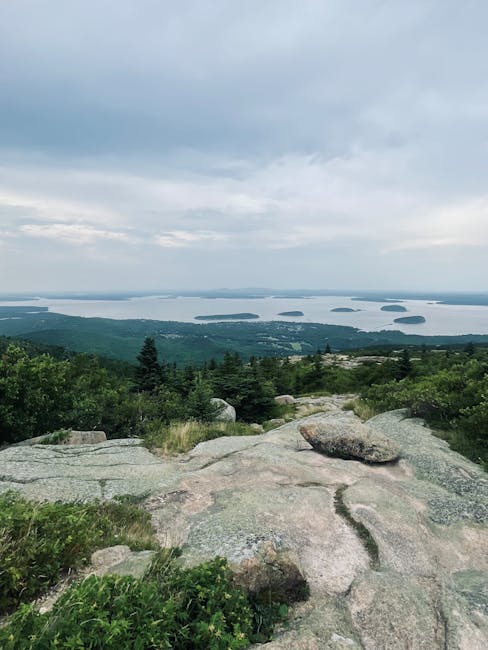
At 1,530 feet above sea level, Cadillac Mountain offers the first sunrise views in America from October through early March. The granite summit provides unobstructed eastern views over the Atlantic Ocean and stunning autumn foliage that creates natural frames for your photography.
First Light on the East Coast
You’ll witness something truly special here – the very first rays of sunlight to hit the United States. From the eastern edge of the summit, you get crystal clear views of the sun rising over the Atlantic Ocean.
Best sunrise timing varies by season:
- Summer: 4:45 AM
- Fall: 6:00-6:30 AM
- Winter: 7:15 AM
The granite ledges provide perfect foreground elements for your shots. Position yourself along the paved Summit Loop Trail for easy access to prime viewing spots.
Photography tips for sunrise:
- Arrive one hour before sunrise
- Bring a sturdy tripod for long exposures
- Use wide-angle lenses to capture the full horizon
- Include the pink granite rocks in your foreground
The light changes quickly during golden hour. You’ll see the sky shift from deep purple to rose to brilliant gold in just minutes.
Panoramic Views Over Bar Harbor
From the summit, you get sweeping views of Frenchman Bay dotted with small islands. Bar Harbor sits below like a miniature coastal village surrounded by water.
The elevated viewpoint lets you capture layered compositions. You can frame the town against the bay with multiple islands creating depth in your shots.
Key photo opportunities include:
- Frenchman Bay islands – Use telephoto lenses to compress the layers
- Morning fog – Often drifts between islands creating mystery
- Coastal patterns – Rocky shorelines and tidal pools visible from above
- Harbor boats – Small vessels add scale to wide landscape shots
The best light happens during golden hour when warm tones illuminate the water. Side lighting brings out texture in the rocky coastline below.
Autumn Foliage Framing the Scene
September through mid-October transforms the landscape into a photographer’s dream. The hardwood forests below the summit explode in reds, oranges, and yellows that create natural frames for your coastal shots.
You can capture the contrast between the colorful deciduous trees and the dark evergreen spruces. This mix creates layered compositions with rich color variety.
Prime foliage photography spots:
- South-facing slopes show the brightest colors
- Valley views reveal carpet-like foliage patterns
- Individual maple and birch trees make great foreground subjects
- Rocky outcrops surrounded by autumn leaves
The peak foliage usually hits around October 1st to 10th. Early morning light makes the autumn colors glow while avoiding harsh midday shadows that wash out the vibrant hues.
3. Pinnacle Overlook, Badlands National Park, South Dakota
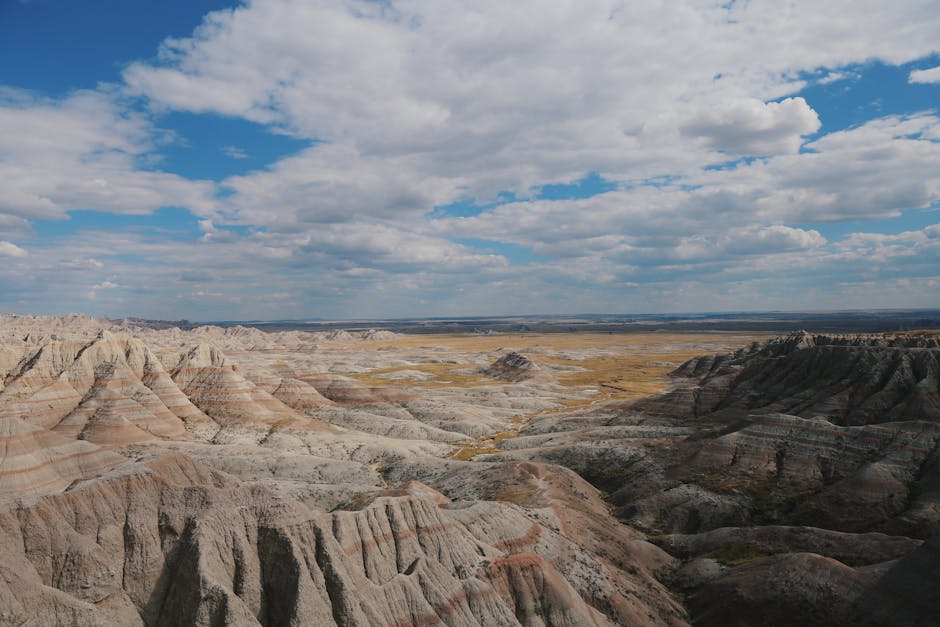
This short 0.3-mile trail offers some of the most dramatic sunset views in the park, with layered rock formations and endless prairie stretching toward the horizon. The overlook provides perfect positioning to capture the warm light hitting the eastern-facing buttes while offering expansive western views for golden hour photography.
Colorful Layers and Rugged Terrain
The overlook sits above a landscape of striped rock formations that tell millions of years of geological history. You’ll see bands of red, yellow, and buff-colored rock that become incredibly vibrant during golden hour.
These layers create natural leading lines in your photos. The contrast between the smooth prairie grass and jagged rock faces gives you multiple textures to work with.
Best photography angles:
- Shoot down into the canyon below for layered compositions
- Capture the horizontal striping in the rock walls
- Use the boardwalk railing to frame distant formations
The short boardwalk makes this spot accessible even with heavy camera gear. You won’t need hiking boots or extensive preparation.
Photographing Buttes and Pinnacles
The view from this overlook includes dozens of isolated rock towers rising from the prairie floor. These pinnacles create excellent subjects for telephoto photography during sunset.
Focus on individual formations as they catch the last light. The eastern-facing sides of these buttes light up beautifully just before the sun disappears behind you.
Key shooting tips:
- Use a telephoto lens to isolate single pinnacles
- Bracket your exposures for the high contrast
- Watch for shadows creating depth between formations
Prairie dogs are often active in the area below. They add wildlife elements to your landscape shots if you bring a longer lens.
Wide-Open Vistas at Sunset
This overlook faces both east and west, giving you unique flexibility during golden hour. You can photograph the sunset behind you while capturing moonrise over the eastern horizon.
The western view opens onto endless grassland. This creates clean, simple backgrounds for your rock formation subjects.
Composition opportunities:
- Wide panoramic shots of the entire canyon system
- Silhouetted pinnacles against colorful skies
- Foreground grass leading to distant buttes
The horizon stays visible in both directions. This lets you capture the full scope of light changes during the magic hour.
Plan to arrive 30 minutes before sunset. The colors build gradually and peak about 20 minutes after the sun disappears.
4. Mount Willard Trail, Crawford Notch, New Hampshire
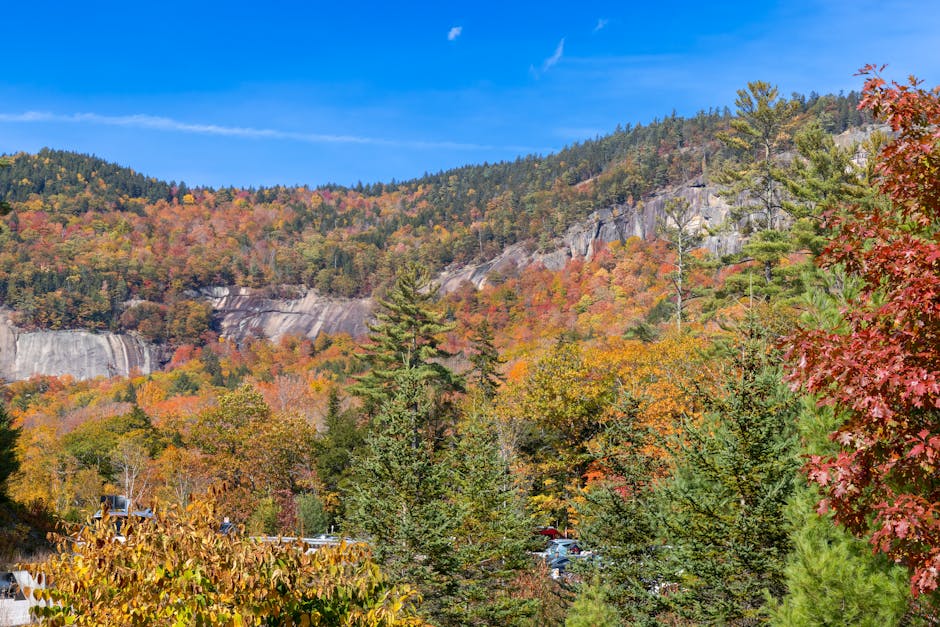
Mount Willard’s clifftop summit delivers sweeping Crawford Notch views perfect for capturing autumn’s golden light across New Hampshire’s White Mountains. The 3.2-mile moderate trail rewards photographers with dramatic valley panoramas and colorful foliage displays.
Golden Light Over Valley Views
You’ll find some of New Hampshire’s best sunrise photography at Mount Willard’s dramatic cliff overlook. The eastern-facing summit catches the first golden rays perfectly as they illuminate Crawford Notch below.
Prime shooting times:
- 30 minutes before sunrise – Deep blue hour colors
- Sunrise to 1 hour after – Golden hour magic
- Late afternoon – Warm side-lighting on distant peaks
The cliff edge provides unobstructed views straight through the southern Crawford Notch. You can capture layered mountain ridges stretching into the distance. Mount Washington appears to the left of your main view.
Your camera will love the clear sight lines here. The valley drops away dramatically below the cliff. This creates strong foreground-to-background depth in your shots.
Arrive early to claim the best spots along the ledge. The trail takes 1-2 hours to reach the summit. Plan to start hiking in complete darkness for sunrise shots.
Autumn Peaks and Leafy Forests
Crawford Notch transforms into a photographer’s dream each fall. The valley below Mount Willard’s cliffs showcases some of New Hampshire’s most vibrant foliage displays.
Peak color typically happens in late September to early October. The maples, birches, and oaks create a brilliant carpet of reds, oranges, and golds. You’ll capture this colorful canopy spreading across the entire valley floor.
Best autumn photography elements:
- Valley foliage – Sweeping forest color below
- Mixed hardwoods – Bright reds and golden yellows
- Evergreen contrast – Dark greens frame the bright colors
- Morning mist – Often rises from the valley at sunrise
The higher elevation peaks provide perfect backdrops. Their rocky faces contrast beautifully with the colorful trees. Long telephoto lenses work great for isolating specific color patches or distant mountain details.
Your wide-angle shots will capture the full scope of autumn’s display. The cliff vantage point lets you photograph the foliage from above rather than looking up through the canopy.
5. Spearfish Canyon, Black Hills, South Dakota
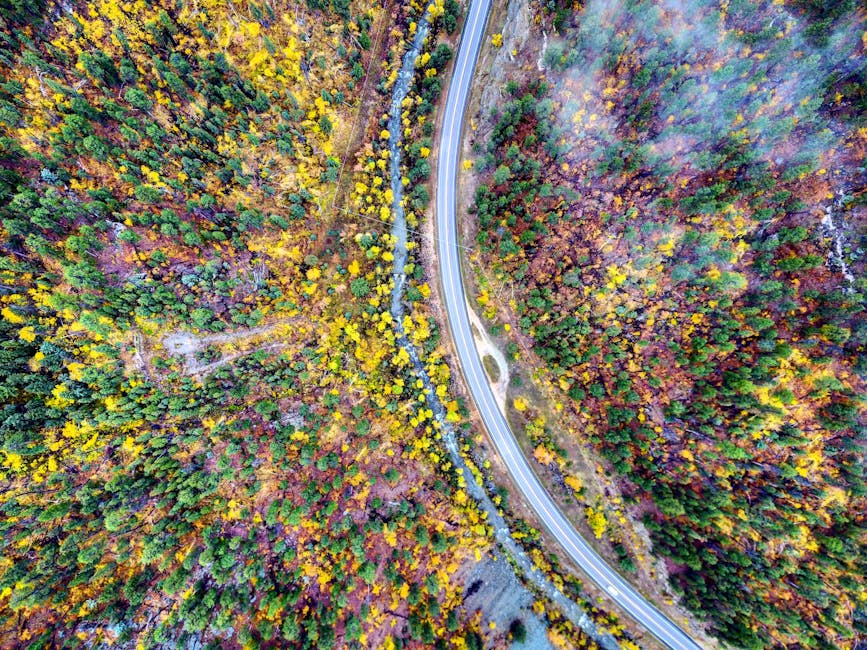
Spearfish Canyon transforms into a photographer’s paradise during autumn months, where towering limestone walls frame cascading waterfalls surrounded by brilliant fall colors. The 22-mile scenic byway provides endless golden hour opportunities with dramatic cliffside vantage points perfect for sunrise and sunset captures.
Vibrant Fall Foliage by Waterfalls
Roughlock Falls offers the most unique autumn photography in the canyon. The 20-foot waterfall pours through lush green moss and grass, creating stunning contrast with golden aspens above.
Early morning light filters through the trees perfectly. You’ll find the best shots from the upper parking area trail, where you can capture the falls from multiple angles.
Spearfish Falls drops 47 feet in five distinct columns during peak flow. The surrounding canyon walls create natural light reflectors during golden hour.
Position yourself at the base viewing area for dramatic upward shots. The restored waterfall looks spectacular against autumn foliage backdrop.
Bridal Veil Falls stands 60 feet tall and provides the most dramatic scale for your photos. The large parking area offers easy access to multiple viewpoints.
Scramble down the boulder field for intimate waterfall shots. Traffic noise disappears behind the rushing water, letting you focus on composition.
Scenic Byways and Cliffside Shoots
Highway 14A Scenic Byway winds through the entire canyon with countless pullouts for sunset photography. The limestone cliffs glow orange and red during golden hour.
Stop at Buzzard’s Roost overlook via the ’76 Trail for elevated canyon views. The short but steep climb rewards you with panoramic shots of the entire valley below.
Iron Creek area provides wide canyon perspectives with easier hiking access. The western-facing walls catch late afternoon light beautifully.
Time your drive for one hour before sunset. The canyon walls create natural spotlights as shadows shift across the landscape.
Cell service is limited throughout the canyon, so download maps beforehand and plan your shooting locations carefully.
6. Makapuʻu Point Lighthouse Trail, Oahu, Hawaii
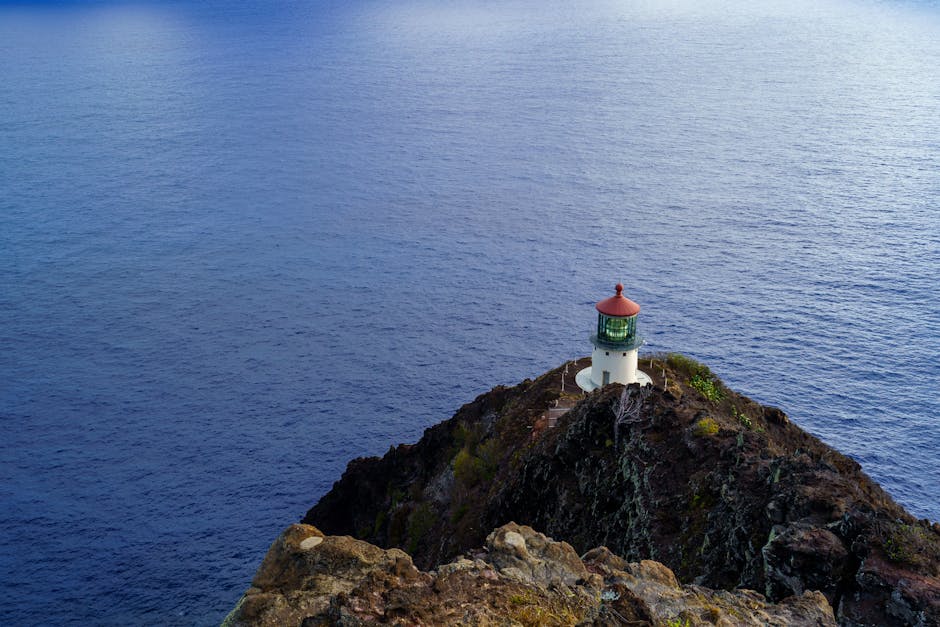
This paved 2-mile trail on Oahu’s southeastern coast delivers stunning sunrise views over the Pacific Ocean and dramatic clifftop shots of the historic 1909 red-roofed lighthouse. You’ll capture golden hour light hitting rugged volcanic cliffs and turquoise waters from easily accessible viewpoints.
Ocean Sunrise Photography
You’ll want to start hiking in the dark to reach the summit before sunrise. The trail is fully paved, making it safe for pre-dawn hiking with just a headlamp.
The east-facing viewpoint gives you unobstructed views across the Pacific. You can photograph the sun rising directly from the ocean horizon.
Best shooting positions:
- Main summit lookout for wide ocean shots
- Guard-railed platforms for safety during golden hour
- Multiple vantage points along the upper trail
The golden hour light illuminates nearby islands like Molokai and Lanai on clear days. You’ll also capture seabirds like frigatebirds and tropicbirds soaring against the colorful sky.
Bring a wide-angle lens for sunrise panoramas. A telephoto lens helps you compress the distant islands with the rising sun.
Dramatic Coastal Cliffs and Sea Views
The lighthouse perched on volcanic cliffs creates powerful compositions during golden hour. You can’t access the lighthouse itself, but the elevated trail provides perfect angles.
The rugged coastline extends toward Koko Head and Koko Crater. These volcanic landmarks add depth to your coastal shots.
Key photo opportunities:
- Red-roofed lighthouse against dark cliffs
- Turquoise water meeting black volcanic rock
- Offshore islets serving as seabird sanctuaries
- Windward coast stretching north and south
The contrast between the bright lighthouse and dark sea cliffs works especially well during the soft morning light. Long shadows emphasize the dramatic terrain.
Use polarizing filters to enhance the water color and reduce glare from wet rocks.
7. Great Falls River Trail, Potomac River, Virginia
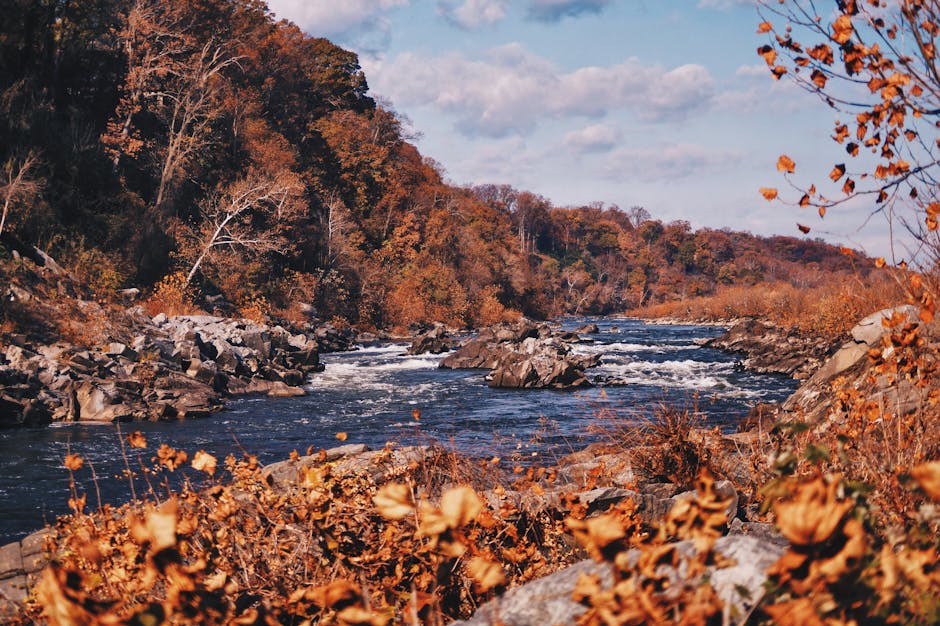
The River Trail offers photographers dramatic waterfall shots and stunning autumn reflections along the Potomac River. Golden hour lighting transforms the rushing waters and colorful foliage into perfect photo opportunities just 15 miles from Washington DC.
Capturing Waterfalls at Sunset
Start your photography session at Overlook 3, where you’ll capture the Great Falls cascading over jagged rocks. The golden hour light hits the waterfalls directly, creating beautiful highlights on the rushing water.
Best shooting positions:
- Overlook 1-3 for wide waterfall shots
- Rocky outcroppings along the River Trail
- Mather Gorge viewpoints for dramatic angles
Use a polarizing filter to reduce glare and enhance the autumn colors in the surrounding trees. The narrow Mather Gorge creates perfect framing for your waterfall shots.
Sunset timing works best from October through November when the sun angle allows light to reach the falls. You’ll want to arrive 90 minutes before sunset to scout locations and set up your tripod on the rocky terrain.
The blue-blazed trail leads you to multiple vantage points. Each spot offers different perspectives of the water squeezing through the gorge.
Reflective Autumn Waterscapes
The calmer sections of the Potomac River create mirror-like reflections during golden hour. Head toward Sandy Landing where the river widens and flows more gently.
Prime reflection spots:
- Sandy Landing area – wider river sections
- Patowmack Canal remains – still water pockets
- Cow Hoof Rock viewpoint – elevated river bend views
Morning shoots work better for reflections since wind typically picks up in the afternoon. The autumn foliage on both the Virginia and Maryland sides doubles in your reflection shots.
Use a graduated neutral density filter to balance the bright sky with darker water reflections. Focus on the sycamore trees with their white bark – they create striking contrast against the colorful maples and oaks.
The River Trail’s rocky sections require careful footing, especially when carrying camera gear. Plan for a 1-3 mile hike depending on which viewpoints you choose.